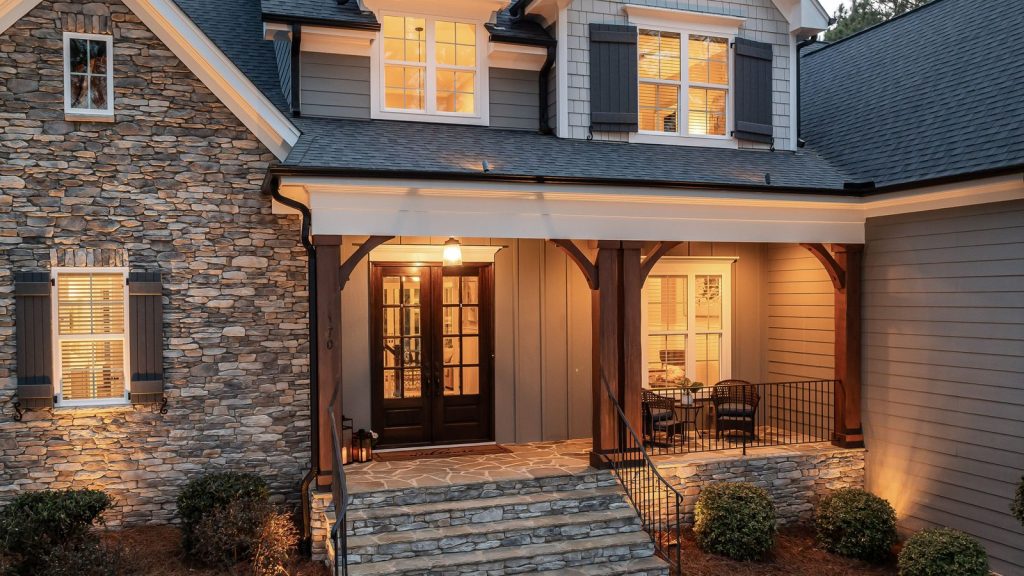
Most of what gets labeled “prepper paranoia” is just arithmetic. When the power stays out for more than a few days, when water stops flowing and the stores stay empty, ordinary people start doing extraordinary things to keep their kids fed and watered. That is not a character flaw. It is what almost anyone would do if their family was going without. The practical question is what you are prepared to do when they show up at your door—or when the situation turns ugly at the gas station or grocery store.
Realistic Scenarios, Not Hypotheticals
A multi-day or multi-week grid-down event is the clearest case. People who never stored water or food run out. Neighbors who seemed fine start noticing the house that still has a generator, the garden, or the one everyone already knows “preps.” Some will ask. Some will get angry that you are not handing over what you set aside for your own family. A smaller number will decide knocking is optional.
Other situations follow the same pattern:
- Gas stations when fuel is scarce, lines are long, and tempers are short.
- Stores in the first 72 hours while shelves are being stripped and people are still in denial.
- Known preppers being targeted because word spreads that they have supplies.
- Opportunistic burglary once it becomes clear that police response times have stretched or vanished.
From the other person’s side the math is simple: my family is thirsty or hungry, and that house has what we need. From your side it is equally simple: that is the water, food, and medicine you stored so your family does not face the same choice. Both perspectives are understandable. Only one of them is your responsibility.
Physical Security and Deterrence First
The best confrontation is the one that never starts. Make the house look like more trouble than the next one.
Practical measures that actually matter:
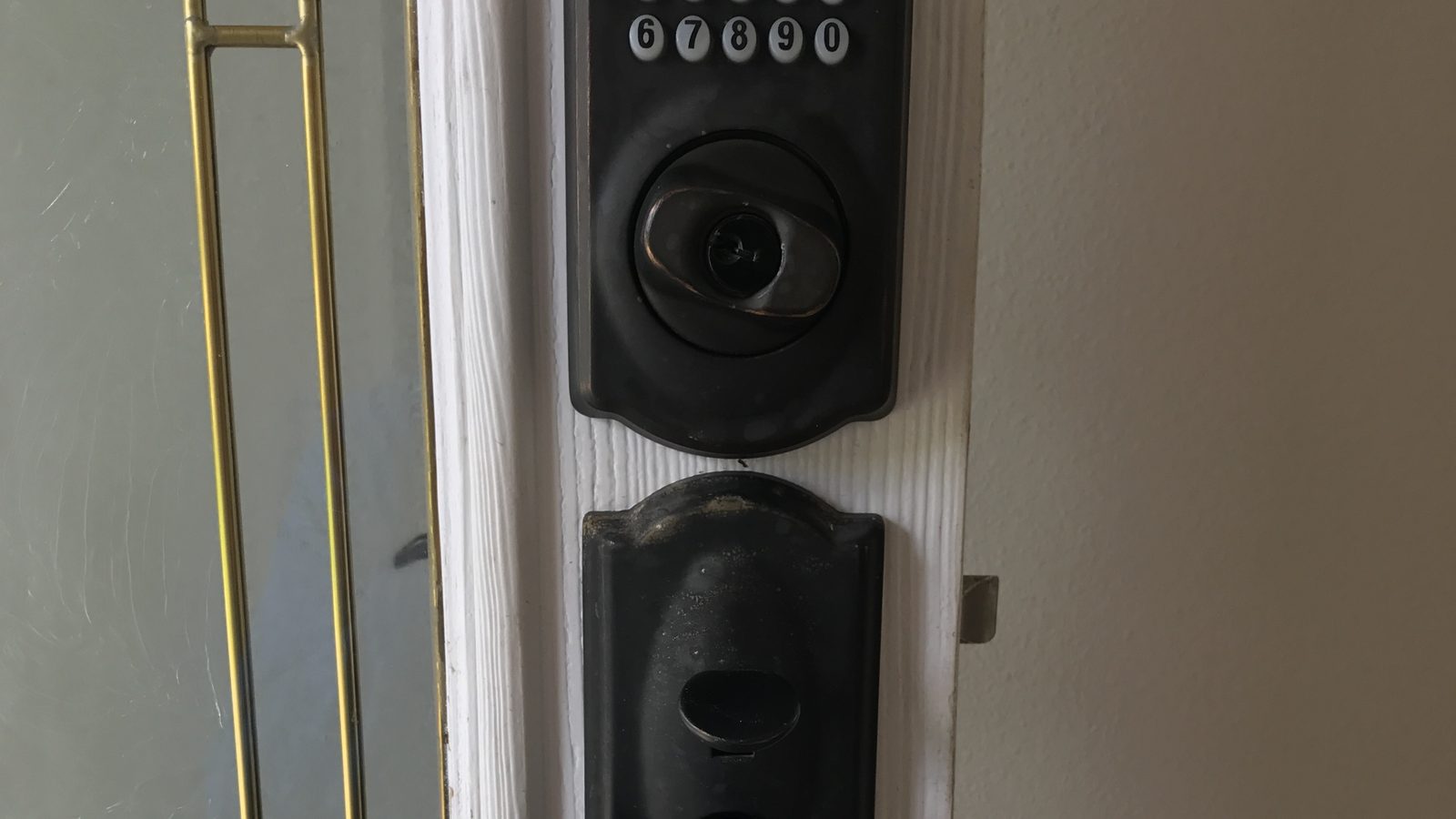
- Solid deadbolt locks on every exterior door, reinforced with 3-inch screws in the strike plates and hinges.
- Window locks, security film, or bars where practical (especially ground-floor windows).
- A visible, working alarm system that makes noise. Complexity is less important than reliability and the fact that it is obviously present.
- Exterior lighting and motion lights that eliminate dark approaches.
- Clear warning signs such as “No Trespassing” or “Property Under Video Surveillance.” They will not stop a determined person, but they change the calculation for someone still weighing options. Skip the “Protected by Firearms” sign: it tells a burglar there are guns worth stealing while you are away, and it can be used against you in court after a defensive shooting.
- Controlled visibility of supplies. Keep generators, water storage, and bulk food out of easy view from the street or neighbors.
None of these replace a firearm if someone forces the issue. They reduce the odds you will have to use one.
Neighbors and a Low Profile
In a long grid-down event, a few trusted neighbors who look out for each other are a bigger deterrent than any single lock or firearm. A street that is watching is a street people pass by.
- Know your neighbors now. Agree ahead of time how you will check on each other and share warnings.
- Do not advertise your preps. Run a generator in daylight when you can, keep it quiet and out of sight, and cover windows at night if yours is the only lit house on the block.
- Do not open the door to strangers. Talk through the door or a window.
- Keep a small “charity box”—a few gallons of water, rice, and canned goods—stored apart from your main supplies. Handing it over can calm a desperate family without showing them what you actually have.
Firearms as the Realistic Deterrent and Equalizer
A motivated adult who has already decided to force entry is not reliably stopped by a bat, a knife, or strong language. A firearm is the tool that most reliably levels the field against a larger, younger, or more aggressive person.
Common and practical choices for most households:
- Handgun: Controllable, quick to deploy, suitable for home defense and everyday carry when legal. The platform the responsible adults have actually trained with is almost always better than the one that looks best online.
- Shotgun (pump or semi-auto): Excellent at short indoor ranges, high stopping power, and relatively simple to use once practiced. 12-gauge with appropriate defensive loads is the usual recommendation.
- Rifle or carbine: A short carbine is one of the most common home-defense choices—easy to shoot well, and with the right defensive loads it often penetrates interior walls less than handgun rounds or buckshot. Longer rifles add power and range for rural property. Laws vary widely by state; some, including Illinois, restrict new purchases of many semi-automatic rifles.
Know what is behind your target. Interior walls stop very little, so think through where family members and neighbors are before anything happens.
Realistic ammunition supply:
- 50–100 rounds of quality defensive ammunition per primary firearm (expanding defensive loads for handguns and rifles; appropriate buckshot or slugs for shotguns).
- A larger quantity of practice ammunition so you can train regularly without depleting the defensive stock.
- Stored in a cool, dry place and clearly labeled. Ammunition stored well lasts for decades; shoot and replace your loaded or carried defensive rounds about once a year and keep the rest sealed.
Maintenance and readiness:
- A basic cleaning kit for every firearm you intend to rely on. Neglected guns fail when you need them.
- Regular function checks and training so muscle memory exists under stress.
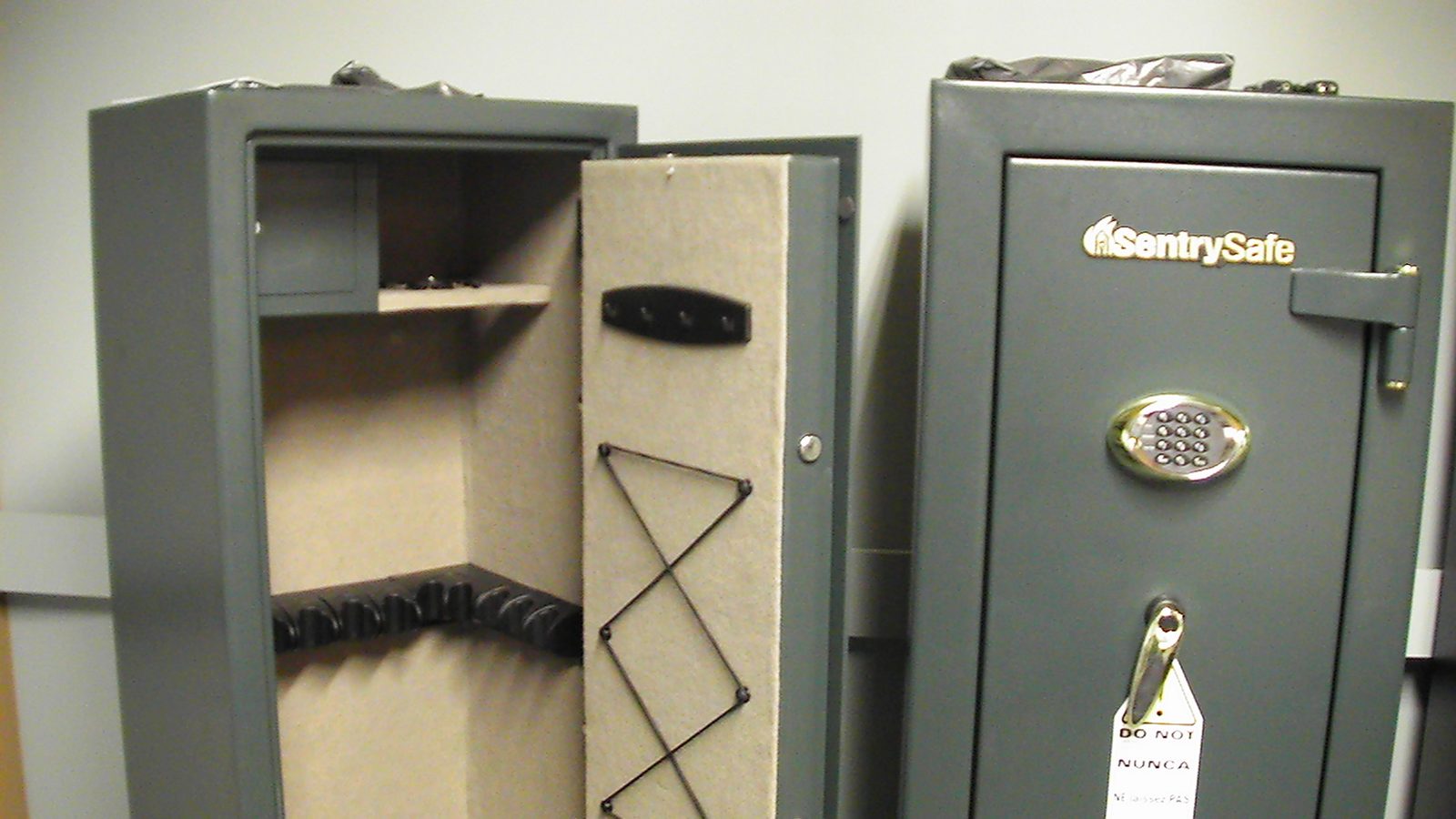
- Storage that balances security and accessibility: a quick-access safe or locked container the responsible adults can open under stress, while keeping weapons secured from children. Check your state’s safe-storage and child-access laws; several states, Illinois among them, now require firearms be secured from minors.
Legal and moral reality in one paragraph: Using a firearm against another person is a last resort with permanent consequences. Even in states with strong castle-doctrine or stand-your-ground laws, you will still have to justify your actions. Know your local laws before anything happens. After any defensive use of force, call the authorities, secure the scene if it is safe, and say as little as possible until you speak with an attorney. Consider self-defense legal coverage so you have an attorney lined up before you need one. The goal is protecting your family, not winning an argument later.
Family Considerations and Training
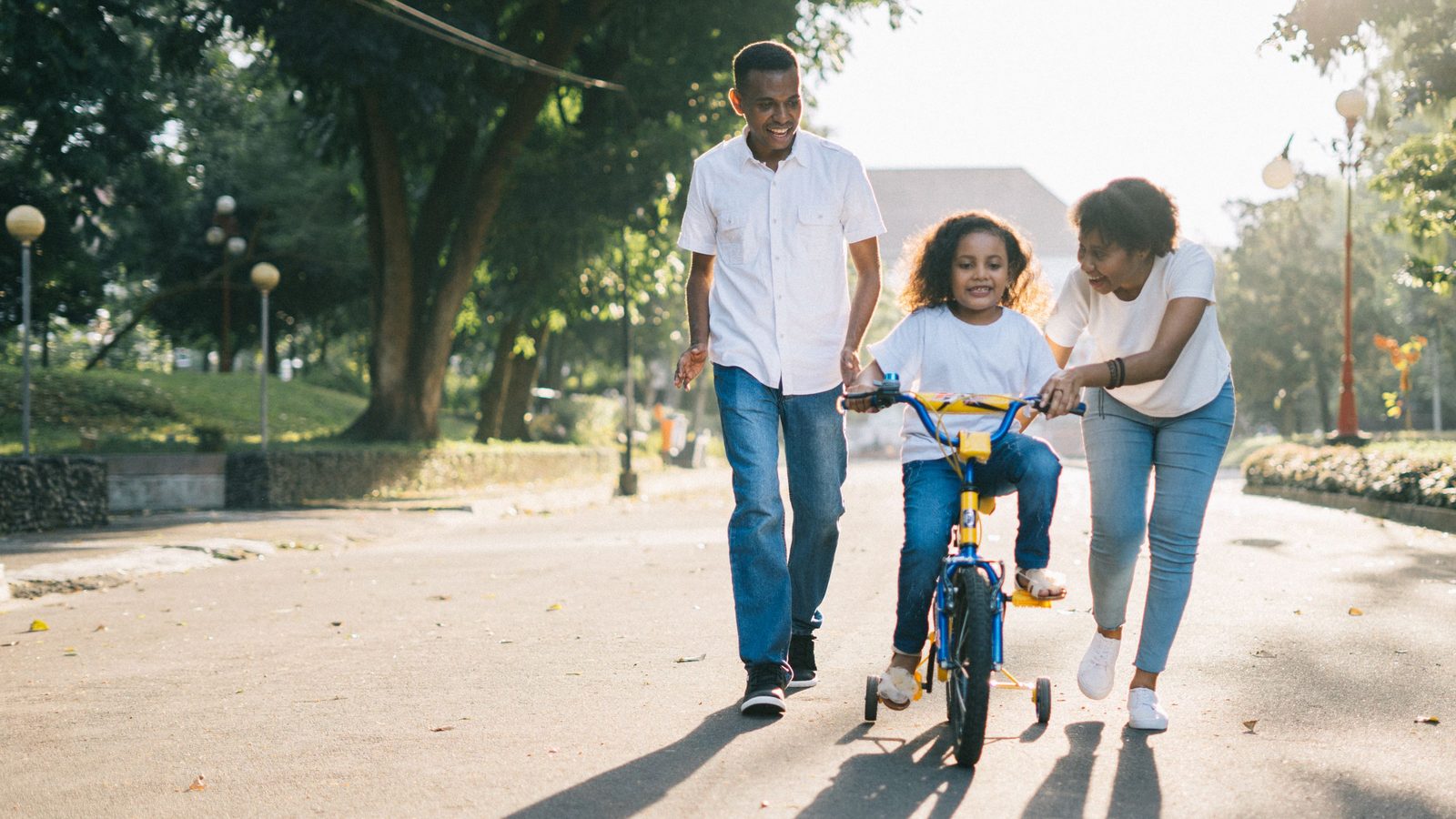
Not every person in the house needs the same weapon or the same role.
- Spouse or partner: The firearm they are already familiar and proficient with is almost always the right choice. Forcing someone onto an unfamiliar platform in a crisis adds risk. Confirm they can load, unload, clear malfunctions, and shoot accurately under time pressure.
- Older teenager or young adult: Only after they have demonstrated maturity and judgment, and within your state’s age laws. Assign a specific weapon, train them on it extensively, and set clear rules about when force is justified. Training must include the legal standard in your state, safe handling, and the difference between a threat that can still be avoided and one that cannot.
- Younger children: No access. Focus on securing the firearms and teaching them what to do—get to the safe room, call for help, follow instructions—rather than arming them.
Pick one interior room as a safe room for children and anyone not defending the house. Stock it with a flashlight, a phone or radio, and a first aid kit that includes a tourniquet.
Training is not optional if you expect anyone to use a firearm. Dry practice, live fire, and scenario-based drills build the competence that matters when adrenaline is high. “I’ll figure it out if it happens” is not a plan.
Flashlights and Situational Awareness
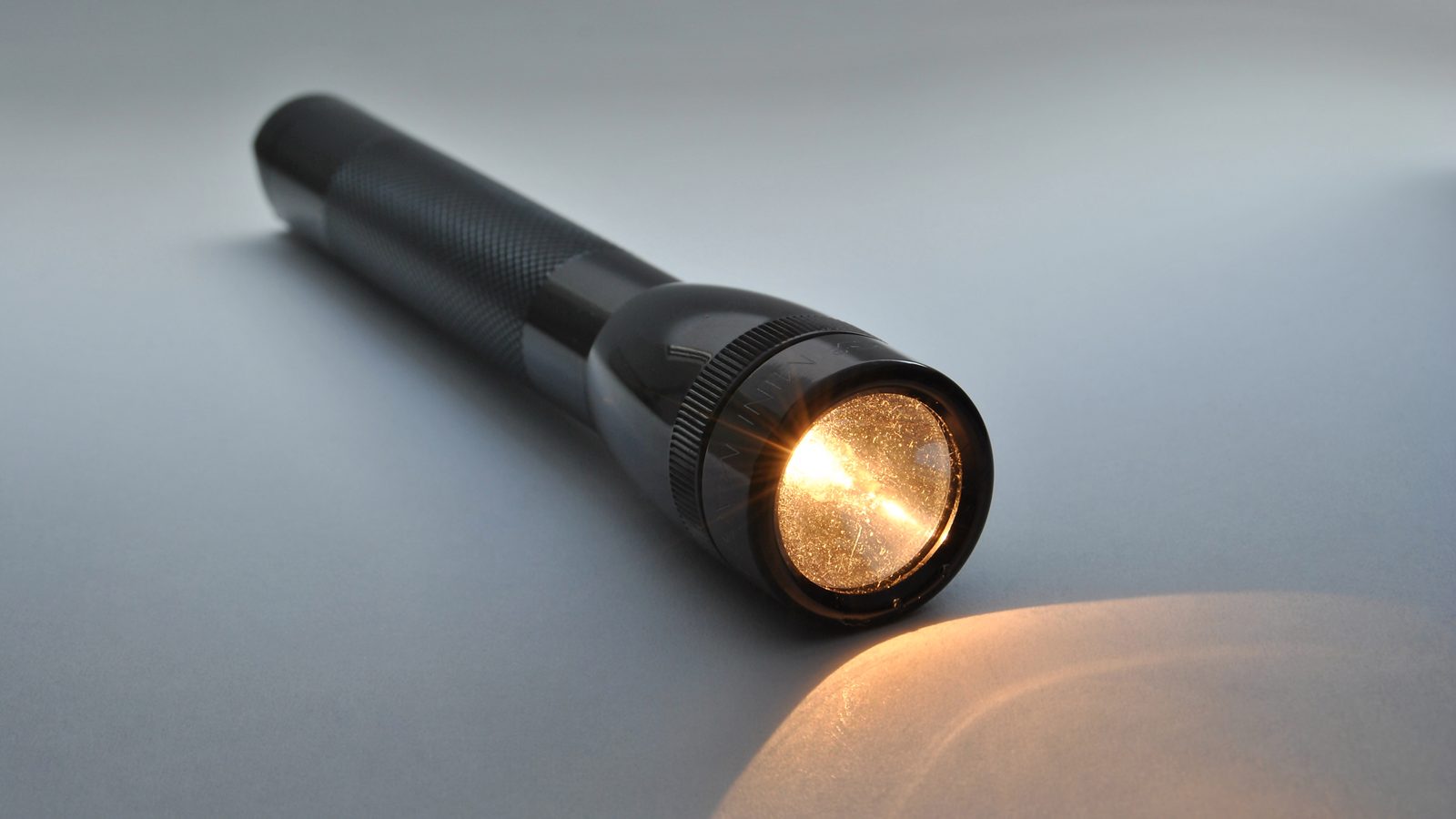
A quality flashlight is one of the highest-value tools for dealing with threats, especially when the power is out. The first rule: identify before you ever point a weapon at anyone.
Why they matter:
- Positive identification of who is at the door or in the yard before you make decisions.
- Ability to disrupt an attacker’s vision with a bright beam.
- Navigation and task lighting when there is no grid power.
- Stage bright, reliable lights near exterior doors, in vehicles, and in go-bags. Weapon-mounted lights are useful on defensive firearms if you train with them.
Situational awareness is the habit that prevents many problems before they start:
- At gas stations when fuel is short and people are frustrated—watch body language, keep your head up, and have an exit plan.
- At stores in the first 72 hours of a shortage—avoid peak chaos times if possible, stay with your group, and do not linger.
- Everyday movement: parking lots, walking to the car at night, answering the door. Pay attention to who is watching and what the exits are.
- Inside the home during an event: know who is where, keep communications simple, and have a plan for who covers which areas.
Bottom Line
None of this requires believing the world is ending next month. It requires accepting that people under extreme stress sometimes choose violence, that your supplies can become a target if they are known, and that the time to decide how you will respond is before someone is already at the door. Solid locks, good neighbors, a low profile, and visible deterrence reduce the odds of a confrontation. Firearms, realistic ammunition, proper storage, cleaning kits, and actual training give you the ability to stop a serious threat if deterrence fails. Different family members need different tools and different levels of training. Flashlights and constant awareness fill in the gaps that pure hardware cannot.
Securing your home, supplies, and family is an ordinary responsibility when the margin for error gets thin. Do the work before the knocking starts.
Related: Prepping List for a Family of Five: 30-Day Emergency Supply with Costs and Storage · Practical Prepping · Survival & Prepping · Contact



Leave a Reply