Updated November 2026 to better match current U.S. retail averages.
This list provides essential supplies for a family of five (two adults, three children) to survive at least one month without outside help during most disasters. It includes approximate costs and storage methods for critical items (water, food, medical, sanitation, documents).
On this page
Free PDF and Excel checklist ↓ — skip to the downloads at the bottom of this page.
Adjust this list for your household. If you have an infant, add formula, diapers, and any child-specific medicines. If you have pets, add their food, water, and supplies. Keep a fire extinguisher and working smoke and carbon monoxide alarms. A NOAA weather radio, and a way to recharge or replace batteries for lights and radios, will help if the power is out for weeks.
Water
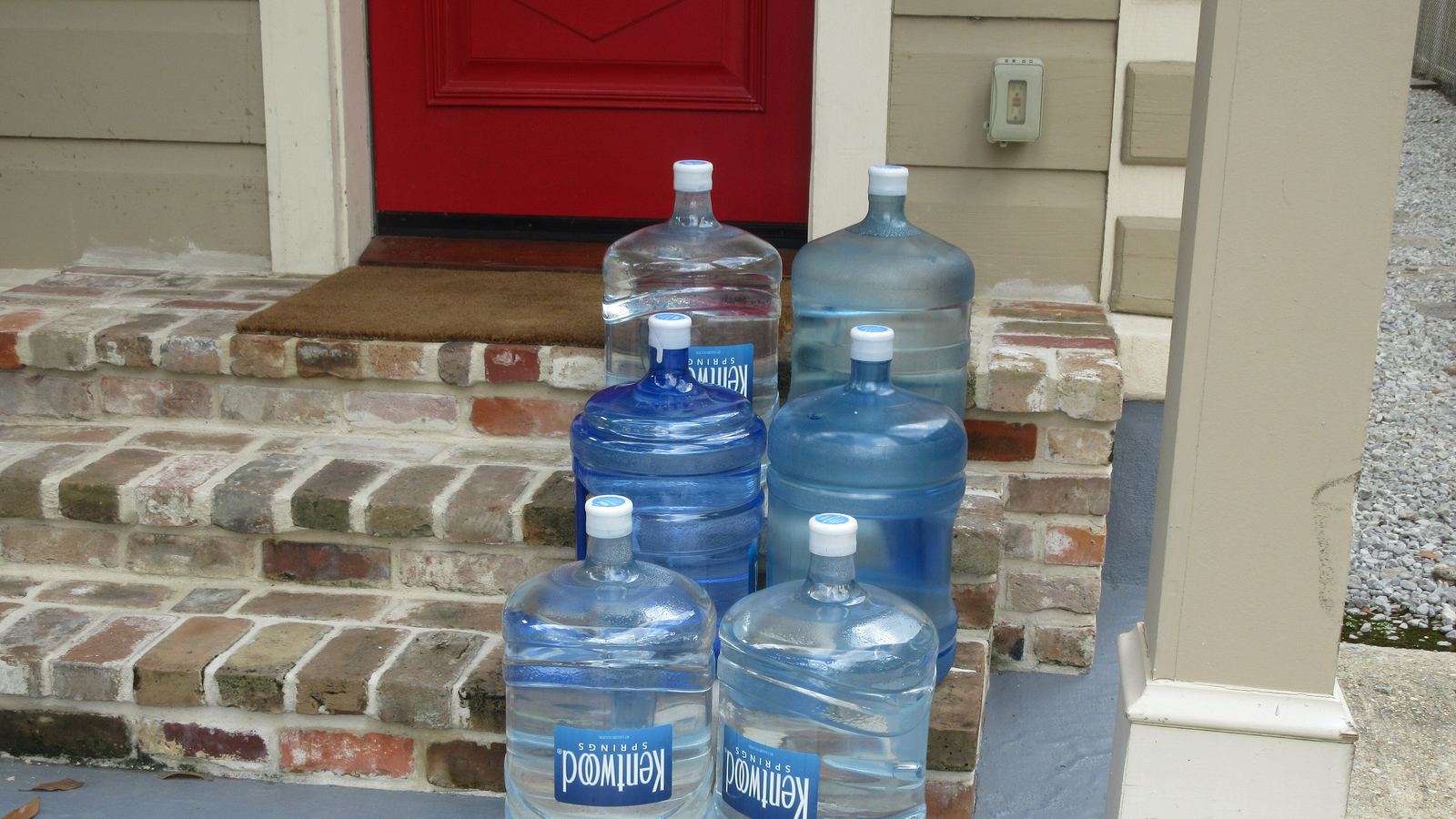
Plan for 150 gallons (1 gallon/person/day), the Ready.gov minimum for drinking, cooking, and hygiene. Hot weather, sanitation, and pets need more. The two Sawyer Mini filters and unscented bleach are the main treatment plan; the 300 Potable Aqua tablets cover only about 40 gallons at the usual two-tablets-per-quart dose, so treat them as a backup. For bleach, follow the EPA emergency disinfection directions — do not guess the dose. The five collapsible jugs are for hauling and filling, on top of the 150 gallons in storage.
| Item | Amount | Price | Shelf Life |
|---|---|---|---|
| Water Storage | 150 gal (30 five-gal jugs) | $450 | 6 mo (self-filled) |
| Water Purification Tablets (Potable Aqua) | 300 tablets | $27 | Until expiry |
| Portable Water Filters (Sawyer Mini) | 2 units | $58 | Indefinite (if dry) |
| Collapsible Water Containers | 5 units, 5-gal | $135 | Durable |
| Bleach, unscented | 1 gallon | $8 | Replace yearly |
| Subtotal | $678 |
Storage. Water Storage: Cool, dark place, on wood pallets. Water you bottle yourself: replace about every 6 months and label the date (Ready.gov). Commercially bottled water: store it the same way and use it by the date on the package. Water Purification Tablets (Potable Aqua): Waterproof, airtight container, cool/dry, with medical supplies. Backup only — about 40 gallons at two tablets per quart. Portable Water Filters (Sawyer Mini): Sealed plastic bag in emergency kit, away from moisture. Keep from freezing. Collapsible Water Containers: For hauling and filling, not counted in the 150 gallons stored. Bleach, unscented: Follow the EPA emergency disinfection directions for treating drinking water. Also useful for sanitation.
Food
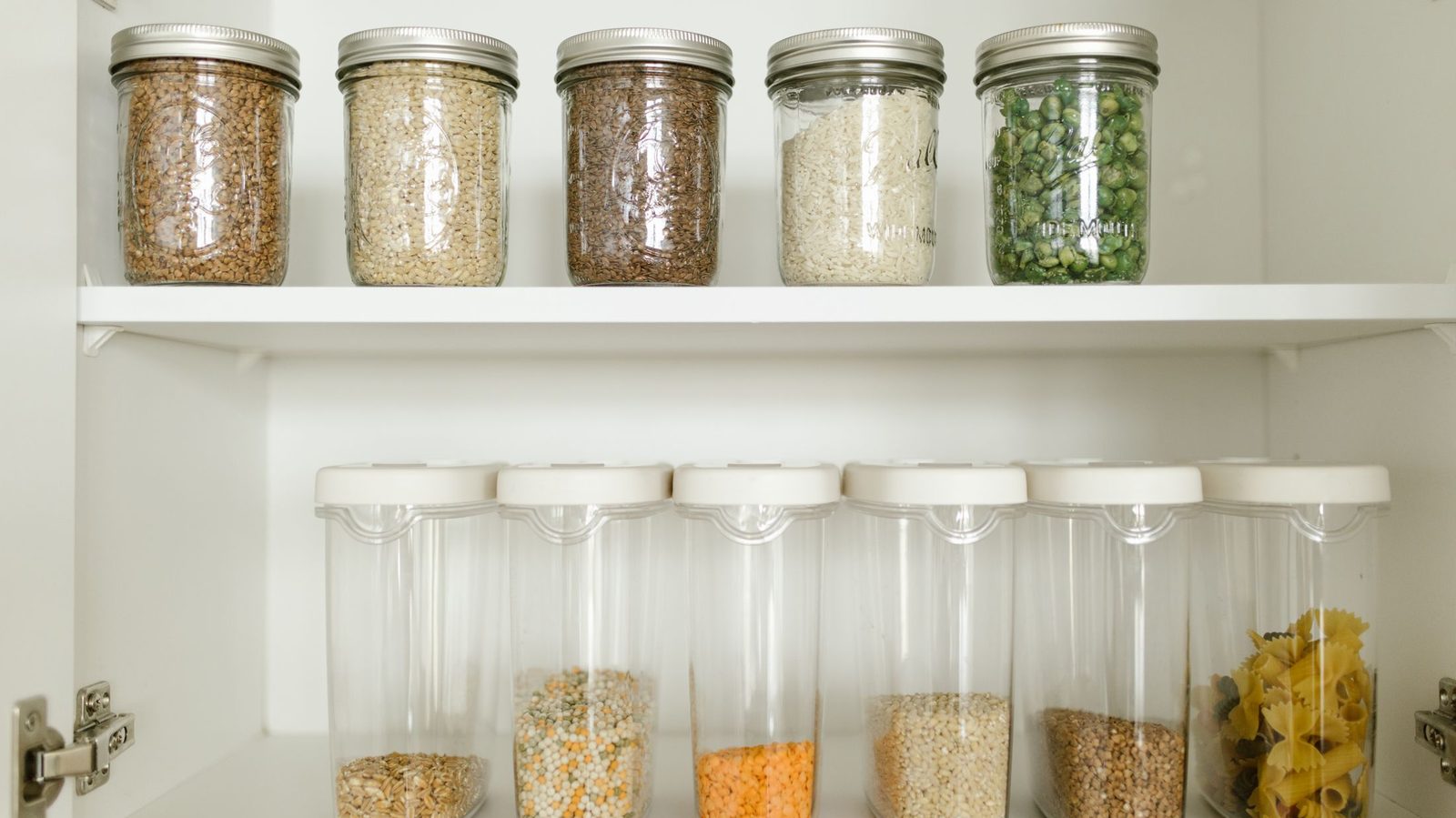
Plan on about 288,000–345,000 calories (~9,600–11,500 a day) for this household size. The food listed here adds up to roughly 450,000 calories, a safety margin so you aren’t cutting it close. Use food-grade buckets and oxygen absorbers where noted. The shelf-life column is how long items typically last; still rotate canned goods on a yearly FIFO schedule.
| Item | Amount | Price | Shelf Life |
|---|---|---|---|
| White Rice | 100 lbs | $112 | 25+ yrs |
| Dried Beans, mixed | 50 lbs | $84 | 10+ yrs |
| Oats | 30 lbs | $50 | 25+ yrs |
| Pasta | 20 lbs | $28 | 2 yrs |
| Canned Vegetables | 60 cans (15 oz) | $57 | 2–5 yrs |
| Canned Fruits | 30 cans (15 oz) | $50 | 12–18 mo |
| Canned Meats | 30 cans (12 oz) | $124 | 2–5 yrs |
| Peanut Butter | 10 lbs | $17 | 1–2 yrs |
| Powdered Milk | 10 lbs | $59 | 3–5 yrs |
| Honey | 5 lbs | $19 | Indefinite |
| Cooking Oil | 1 gallon | $9 | 1–2 yrs |
| Multivitamins | 150 tablets | $9 | Until expiry |
| Electrolyte Packets | 60 packets | $90 | Until expiry |
| Hard Candies | 5 lbs | $30 | 1–2 yrs |
| Manual Can Opener | 2 units | $8 | Durable |
| Camping Stove with Fuel | 1 stove + 10 propane canisters | $118 | Indefinite (inspect) |
| Subtotal | $864 |
Storage. White Rice: 5-gallon food-grade buckets with oxygen absorbers, cool/dry basement. Label, use FIFO. Dried Beans, mixed: Same as rice, sealed buckets, cool/dry. Oats: Airtight buckets with oxygen absorbers, cool/dry. Pasta: Airtight containers/buckets, cool/dry pantry. Canned Vegetables: Cool/dry pantry, check for dents/rust, rotate annually. Canned Fruits: Same as canned vegetables, rotate annually. Canned Meats: Same as canned vegetables, pop-top cans, rotate 2–3 years. Peanut Butter: Original jars or airtight containers, cool/dry pantry, rotate 1–2 years. Powdered Milk: Airtight buckets with oxygen absorbers, cool/dry, check for clumping. Honey: Original containers or airtight jars, cool/dry pantry. Cooking Oil: Cool/dark pantry, original container, rotate 1–2 years. Multivitamins: Original bottles or airtight containers, cool/dry, with medical supplies. Electrolyte Packets: Waterproof, airtight container with medical supplies, cool/dry. Hard Candies: Airtight containers, cool/dry pantry. Camping Stove with Fuel: Use the stove outdoors only. Never burn propane inside a home, garage, or tent — carbon monoxide can be fatal (CDC). Inspect canisters and connections.
Basic Medical
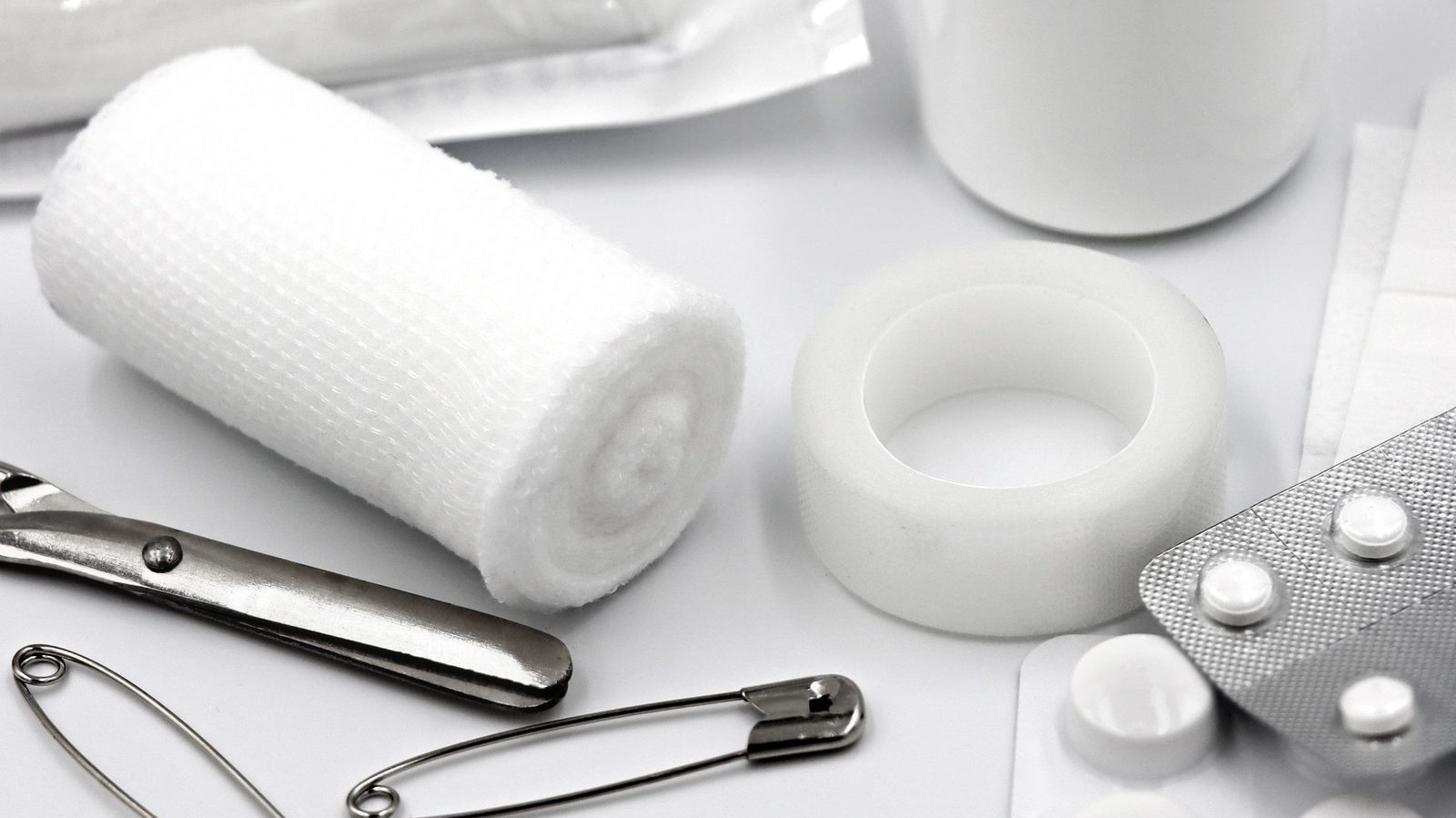
Supplies for injuries, illnesses, chronic conditions. Costs reflect comprehensive kits. Storage maintains sterility/potency.
| Item | Amount | Price | Shelf Life |
|---|---|---|---|
| Comprehensive First Aid Kit | 1 unit | $50 | Until expiry |
| Ibuprofen | 400 tablets (200 mg) | $9 | Until expiry |
| Acetaminophen | 400 tablets (325 mg) | $8 | Until expiry |
| Diphenhydramine | 100 tablets (25 mg) | $4 | Until expiry |
| Loperamide | 48 tablets (2 mg) | $8 | Until expiry |
| Rehydration Salts | 20 packets | $15 | Until expiry |
| Prescription Medications | 30-day supply per person | $100 | Until expiry |
| Antibiotic Ointment | 4 tubes (1 oz) | $11 | Until expiry |
| Hydrogen Peroxide | 1 quart | $1 | Until expiry |
| Medical Tape | 4 rolls | $10 | 3–5 yrs |
| Thermometer, non-mercury | 2 units | $11 | Durable |
| Tweezers and Scissors | 2 sets each | $10 | Durable |
| CPR Face Shields | 5 units | $15 | Until expiry |
| First Aid Manual | 1 copy | $10 | Indefinite |
| Sunscreen, SPF 50 | 2 bottles (8 oz) | $18 | Until expiry |
| Insect Repellent, DEET | 2 bottles (8 oz) | $14 | Until expiry |
| Subtotal | $294 |
Storage. Comprehensive First Aid Kit: Waterproof, hard-case container, cool/dry, accessible. Check expiration dates annually. Over-the-counter medications: Original bottles or airtight containers, cool/dry, with first aid kit. Label expirations, rotate 1–2 years. Prescription Medications: Original containers, cool/dry, secure, with first aid kit. Rotate before expiration. Antibiotic Ointment: With first aid kit, cool/dry, check expirations.
Tools
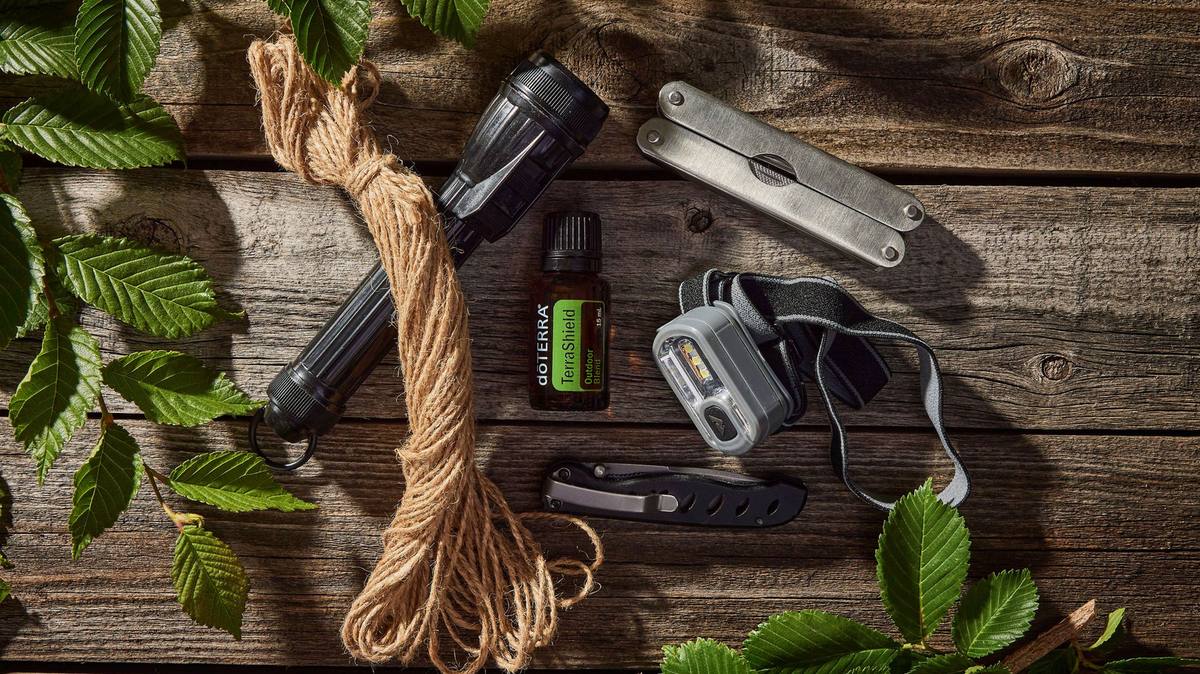
Durable, multi-purpose tools for shelter, food prep, and repairs. Batteries, waterproof matches, and duct tape do expire — check the shelf-life column and rotate them.
| Item | Amount | Price | Shelf Life |
|---|---|---|---|
| Multi-Tool | 2 units | $68 | Durable |
| Fixed-Blade Knife | 2 units | $64 | Durable |
| Duct Tape | 4 rolls (60 yards) | $20 | 3–5 yrs |
| Paracord | 500 feet | $25 | Indefinite (maintain) |
| Heavy-Duty Tarp | 2 units (10×12 ft) | $60 | Durable |
| Work Gloves | 5 pairs | $10 | Durable |
| Axe | 1 unit | $35 | Durable |
| Folding Shovel | 1 unit | $19 | Durable |
| Crowbar | 1 unit | $20 | Durable |
| Headlamps with Batteries | 5 units + 15 AAA | $89 | 5–10 yrs (battery) |
| LED Lantern with Batteries | 2 units + 12 D | $38 | 5–10 yrs (battery) |
| Firestarter Kit | 2 units | $20 | Indefinite (flint) |
| Waterproof Matches | 200 count | $10 | 5+ yrs (if dry) |
| Sewing Kit | 1 unit | $10 | Indefinite (maintain) |
| Compass | 2 units | $14 | Durable |
| Local Area Map, laminated | 1 copy | $15 | Indefinite |
| Whistle | 5 units | $20 | Durable |
| Plastic Sheeting | 2 rolls (100 sq ft) | $32 | Indefinite (store dark) |
| Bucket with Lid | 2 units (5-gal) | $14 | Durable |
| Subtotal | $583 |
Other Essentials
Items for hygiene, safety, morale. Documents require secure storage.
| Item | Amount | Price | Shelf Life |
|---|---|---|---|
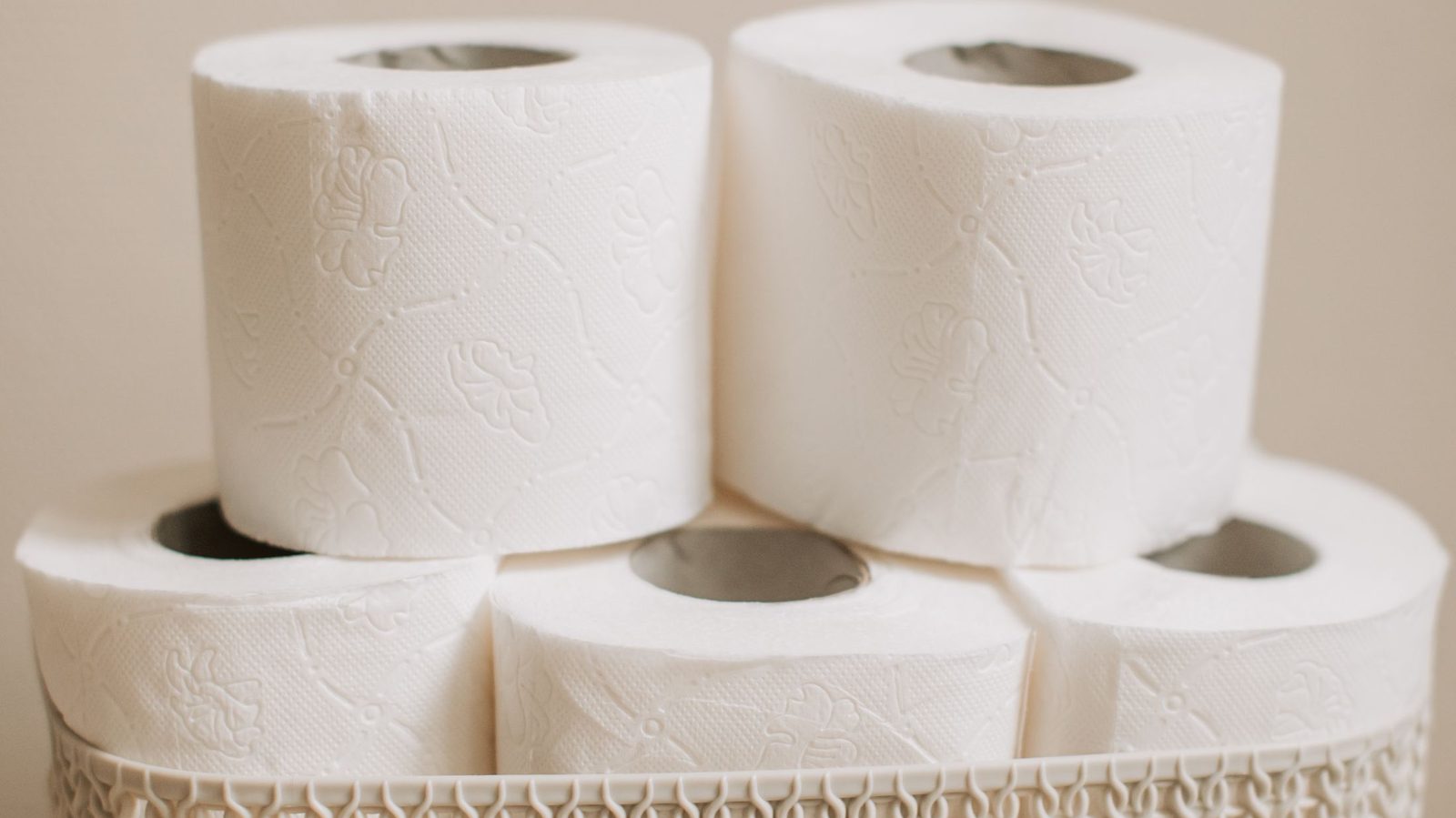
| Toilet Paper | 60 rolls | $50 | Indefinite (keep dry) |
| Hand Sanitizer | 5 bottles (8 oz) | $10 | Until expiry |
| Biodegradable Soap | 10 bars | $52 | Indefinite (keep dry) |
| Toothbrushes and Toothpaste | 5 brushes, 3 tubes | $21 | Until expiry |
| Feminine Hygiene Products | 2 boxes (40 pads/tampons) | $26 | 3–5 yrs |
| Trash Bags, 13-gal | 100 count | $20 | Indefinite |
| Disposable Plates and Utensils | 150 plates, 150 utensil sets | $28 | Indefinite |
| N95 Masks | 50 count | $16 | 5 yrs |
| Rain Ponchos | 5 units | $10 | Indefinite (inspect) |
| Emergency Blankets | 5 units | $9 | Indefinite |
| Sleeping Bags, 0°F | 5 units | $250 | Indefinite (maintain) |
| Board Games and Books | 3 games, 5 books | $50 | Indefinite |
| Important Documents | 1 waterproof folder | $10 | Indefinite |
| Cash, small bills | $500 | $500 | Indefinite |
| Two-Way Radios with Batteries | 2 units + 12 AA | $53 | 5–10 yrs (battery) |
| Subtotal | $1,105 |
Storage. Important Documents: Keep IDs, insurance, medical records, and contacts in this waterproof folder, in a place you can reach quickly. If you have a fireproof safe, store the folder there. Cash, small bills: Keep small bills with the document folder. If you have a fireproof safe, store the cash there too.
Sanitation / Human Waste
If the water or sewer is out, a family can get very sick, very fast, from its own waste. Illnesses like cholera, dysentery, norovirus, and hepatitis spread when feces get onto hands, food, or drinking water. If the sewer is backed up, a septic field is flooded or damaged, or officials tell you to stop, do not flush — that can push sewage into the house. Use a temporary toilet instead.
This section is for a family of five (two adults, three children) for 30 days when toilets will not flush, or should not be flushed. Prices are approximate U.S. retail as of November 2026 (Home Depot, Lowe’s, Walmart, and Amazon). Shop local and expect some variation. These costs are part of the 30-day supply total. Lines already on the main list — toilet paper, hand sanitizer, soap, feminine products, the two 5-gallon buckets with lids, and a collapsible water jug for handwashing — are shown as “on main list” and are not counted again. Optional gel bags and a privacy tent are listed but not included in the subtotal.
If only the water is out, and the sewer or septic system still works, you can often keep using the household toilet by pouring about 1–2 gallons into the bowl to flush. If the sewer is backed up, the septic field is flooded or damaged, or local authorities tell you to stop, do not flush. Use a temporary toilet instead.
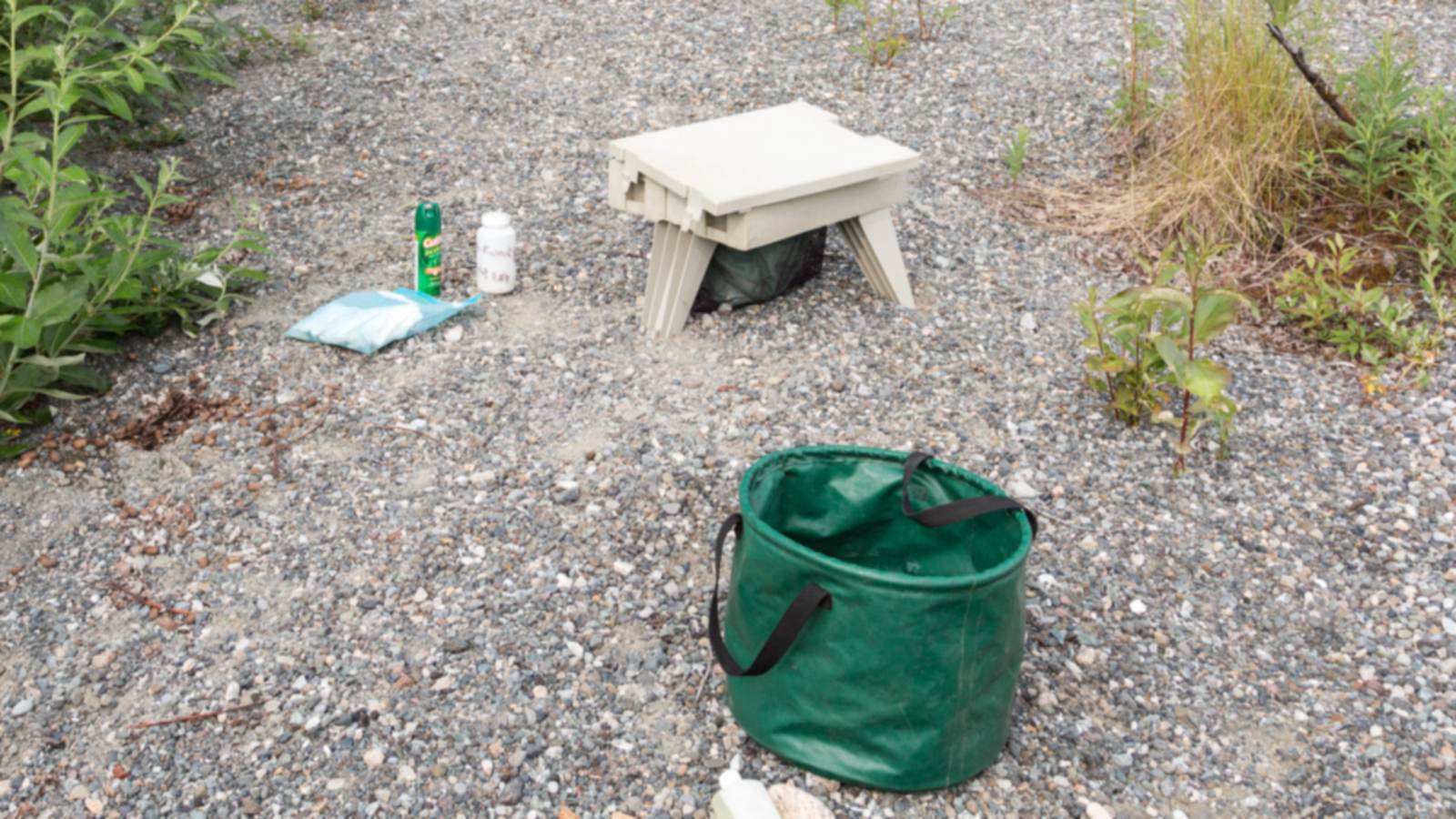
A two-bucket system works better for a family: label one bucket for urine and one for feces. Urine is most of the volume and most of the smell when the two are mixed; separating them means the feces bucket fills slower and is safer to store. Plan on 100 heavy-duty (3 mil or thicker) contractor bags — about 2–4 bags a day for this household over 30 days, including a daily feces liner, a second bag for double-bagging, occasional urine liners, and a reserve for illness. The 13-gallon kitchen bags on the Other Essentials list are useful for regular trash, but they are usually too thin for human waste.
| Item | Amount | Price | Shelf Life |
|---|---|---|---|
| Portable bucket toilet with seat and lid | 1 unit (5-gal) | $31 | Durable |
| Extra 5-gal bucket and lid (urine bucket) On main list | See Tools | — | Durable |
| Heavy-duty contractor bags, 3 mil+ | 100 count (two 50-count boxes) | $66 | Indefinite (store out of sun) |
| Absorbent cover material (kitty litter, sawdust, or peat) | 3 bags, 40 lb each | $56 | Indefinite if kept dry |
| Gel waste bags Optional, not counted | 12 bags (two 6-packs) | $36 | Check package; keep sealed and dry |
| Bleach, unscented, extra gallon | 1 gal (extra, for surfaces) | $8 | Replace yearly |
| Nitrile gloves | 200 count | $30 | 3–5 yrs |
| Hand sanitizer On main list | See Other Essentials | — | Check expiry |
| Handwashing station (spigot jug) On main list | See Water | — | Durable |
| Toilet paper On main list | See Other Essentials | — | Indefinite if kept dry |
| Fragrance-free wet wipes | 900 count | $18 | Check package |
| Disinfecting wipes | 2 packs (75 count) | $12 | Check package |
| Baking soda | 4 lb | $3 | Indefinite if kept dry |
| Lidded outdoor holding can, ~31 gal | 1 unit | $38 | Durable |
| Round-point digging shovel | 1 unit (full-size) | $31 | Durable |
| Feminine hygiene products On main list | See Other Essentials | — | Check package |
| Privacy / shower tent Optional, not counted | 1 unit | $31 | Durable if stored dry |
| Subtotal | $293 |
Storage. Keep contractor bags out of the sun. Store cover material dry and sealed. Replace unscented bleach about once a year — and keep this extra gallon for surfaces, not for the drinking-water bottle already on the Water list. Nitrile gloves last about 3–5 years. Park a collapsible jug with a spigot next to the toilet as a handwashing station (or buy a $15 spigot jug if you do not already have one). Keep the lidded holding can outdoors, away from food, water, kids, and pets.
How to set it up
- Decide whether you can flush. If the sewer or septic still works and only the water is off, pour a bucket of water into the household toilet to flush. If sewage is backing up, the septic field is flooded, or officials say to stop, use the bucket toilet.
- Set up two labeled buckets in a private space. Put a 3-mil liner and the snap-on seat on the feces bucket. Give the urine bucket a tight lid. Keep cover material and toilet paper within reach.
- Put a handwashing station next to the toilet: a jug with a spigot, soap, and a basin. Wash with soap and water for at least 20 seconds after every use and after handling bags. If you do not have soap and water, use an alcohol-based sanitizer that is at least 60% alcohol — a backup, not a substitute on visibly dirty hands.
- Use the buckets separately. Put used toilet paper in the feces bucket, not the urine bucket. After a bowel movement, cover the surface completely with about 1/2 cup of litter, sawdust, or peat, then close the seat.
- Empty on a schedule. Fill the feces bucket no more than halfway, and change the liner at least once a day. Wear nitrile gloves, tie the liner closed, double-bag it, and put the sealed bags in the lidded outdoor holding can. Dilute urine and pour it on a lawn or bare ground, away from wells, streams, and food gardens, if local rules allow. Change the pour spot each time.
- Wash again. Take the gloves off carefully, put them in the trash, and wash your hands. Do not touch your face, food, or water containers until you have washed.
Safety notes
Human waste spreads disease through the fecal-oral route. Keep bags, buckets, and dirty gloves away from food, drinking water, kids’ play areas, and pets. Wear nitrile gloves whenever you bag waste or clean the toilet, then wash your hands with soap and water. For hard surfaces, clean first with soap, then disinfect. If you use bleach, mix 5 tablespoons (1/3 cup) of regular unscented household bleach per gallon of room-temperature water, or 4 teaspoons per quart (CDC). Leave the surface wet for at least 1 minute, and mix a fresh batch each day. Use only regular unscented bleach with 5–9% sodium hypochlorite — not scented, splashless, or color-safe bleach. Never mix bleach with ammonia or other cleaners — that can release dangerous gas. For drinking-water disinfection, use a different, much smaller dose; follow the EPA emergency disinfection directions. Do not bathe in floodwater or in any water that may contain sewage.
Disposal
Double-bag feces, store the sealed bags in a lidded can outdoors, and keep animals and insects out. Hold the waste until regular service returns. Do not put human waste in ordinary household garbage unless local officials say that is accepted. When water and sewer service is restored, follow public-health or utility guidance for disposal and for cleaning the buckets and can. Burying waste is a last resort, only where it is legal and the ground is suitable (not a high water table, not flooded, not solid rock). Leave No Trace guidance for a one-time cathole is 6–8 inches deep and at least 200 feet (about 70–80 paces) from water, camp, and trails. Do not bury wipes, pads, tampons, or diapers — pack those out in a sealed bag. The full-size shovel is for this last-resort use, not the first choice in town.
Sources: Ready.gov — Build a Kit, Ready.gov — Water, CDC — Personal Hygiene During an Emergency, CDC — Cleaning and Disinfecting with Bleach, CDC — Protecting Workers Handling Human Waste, CDC — Septic Systems After Floods, EPA — Emergency Disinfection of Drinking Water, EPA — Septic Systems After a Flood, and Leave No Trace — Dispose of Waste Properly.
Total Approximate Cost
| Section | Total |
|---|---|
| Water | $678 |
| Food | $864 |
| Basic Medical | $294 |
| Tools | $583 |
| Other Essentials | $1,105 |
| Sanitation / Human Waste | $293 |
| Grand Total | $3,817 |
We know most people can’t buy all of this at once, and that’s okay. Pick up a little each month or each pay period, and you’ll build a solid supply over time. A good place to start is water and food — just add a few extra items to each grocery trip.
Cold Weather / Winter
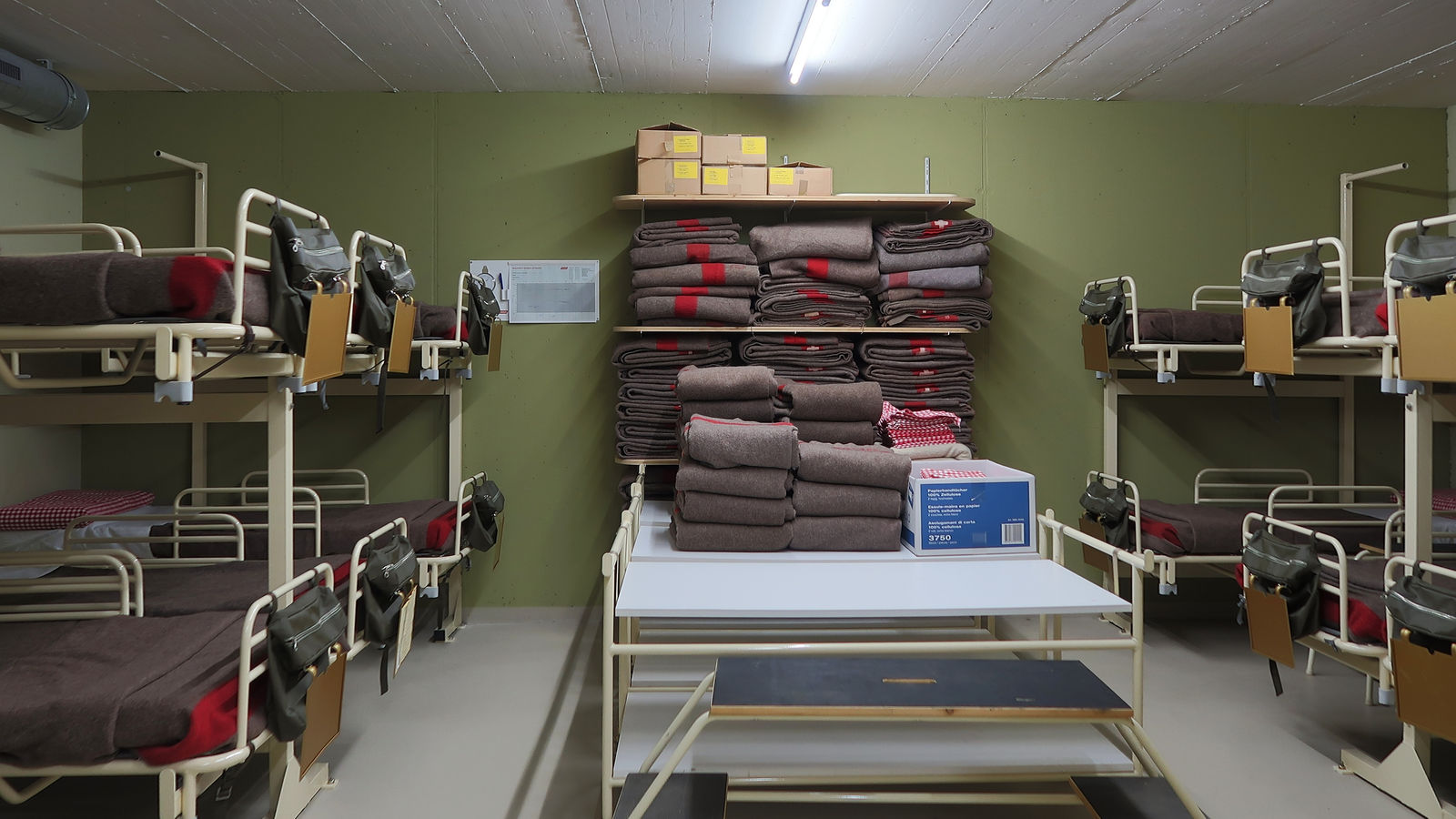
Midwest winters can drop near or below 0°F, knock out power, and leave a house cold for days. This add-on is for a family of five (two adults, three children) to keep one room livable for 30 days if the furnace or grid goes down. It covers safe backup heat, bedding, clothing, sealing drafts, protecting pipes, fuel storage, and a few other high-impact winter items. Prices are approximate U.S. retail as of November 2026 (Home Depot, Lowe’s, Walmart, and Amazon). Shop local and expect some variation. These costs are not part of the 30-day supply total of $3,817 above. If you already bought items from the main list — especially the five 0°F sleeping bags, emergency blankets, plastic sheeting, and camping-stove fuel — skip those lines here. A good way to build this is the same as the rest of the list: a little each month. Start with carbon monoxide alarms, bedding, a way to heat and seal one room, and pipe protection before the first hard freeze.
Heating one room
The goal is not to heat the whole house. Close off one interior or south-facing room, bring the family in, and heat that space about 12 hours a day for 30 days (360 hours). A Mr. Heater Big Buddy (MH18B), sold as indoor-safe when used as directed, has 4,000 / 9,000 / 18,000 BTU settings. Official run times on a full 20-lb tank are about 108 hours (low), 48 hours (medium), or 24 hours (high). Most families should plan on the medium (9,000 BTU) setting: about 0.42 lb/hour, or roughly 150 lb of propane for 360 hours. That is 8 full 20-lb tanks, or 10 exchange cylinders (most store exchanges are filled to about 15 lb, not 20). Doing the same job with 1-lb cylinders would take about 150 of them — use a 20-lb tank and the official hose instead, and keep a few 1-lb cylinders only as a small backup. Buy fuel for the medium setting, and tighten the room so you can run lower. If you use an indoor-rated kerosene heater around 10,000 BTU instead (1-K fuel only), plan on about 30 gallons of K-1. Do not buy both a propane heater and a kerosene heater unless you specifically want a second, separate system. A wood stove is an excellent option only if you already have one and the chimney has had a professional inspection; this list does not include buying and installing a new wood stove.
Carbon monoxide and fire safety are not optional. Install battery (or battery-backup) CO alarms on every level and near sleeping areas — plan on 3 units for a typical house, and put one in the warm room if that is a new sleeping location. Never use a grill, charcoal, generator, camp stove, or oven to heat the house. If you use an unvented indoor-rated heater, crack a window for fresh air, keep 3 feet of clearance from anything that can burn, and follow the manual (including any limits on unattended or overnight use). Run generators outdoors only, at least 20 feet from windows, doors, and vents. See the CDC carbon monoxide guidance. Keep a fire extinguisher in the warm room. Unvented kerosene and propane heaters are restricted or discouraged in some cities and states — check local codes before you buy. Use clear K-1 kerosene only, never gasoline in a kerosene heater. If you must stay in a stranded car, run the engine about 10 minutes an hour for heat, keep the exhaust pipe clear of snow, and crack a window. Never run a car in a garage, even with the door open.
| Item | Amount | Price | Shelf Life |
|---|---|---|---|
| Indoor-rated propane heater (Mr. Heater Big Buddy) | 1 unit | $159–$170 | Durable (inspect yearly) |
| Heater hose for a 20-lb tank | 1 hose | $32 | Durable (inspect yearly) |
| Propane, 20-lb exchange cylinders | 10 exchanges (or 8 full refills) | $200–$270 | Indefinite (store outdoors) |
| Battery carbon monoxide alarms | 3 units | $60–$69 | 5–7 yrs (test monthly) |
| ABC fire extinguisher, 2.5 lb | 1, kept in the warm room | $26 | Check gauge monthly |
| Sleeping bags, 0°F | 5 units | $400–$450 | Indefinite (store dry) |
| Wool or wool-blend blankets | 5 units | $220 | Indefinite (keep dry) |
| Mylar emergency blankets | 1 pack of 10 | $9–$15 | Indefinite (in package) |
| Closed-cell foam sleeping pads | 5 units | $75 | Durable |
| Thermal base-layer sets | 10 sets (2 per person) | $100–$200 | Durable |
| Wool or heavy thermal socks | 5 pairs per person | $40–$75 | Durable |
| Knit hat and insulated gloves | 5 sets | $95–$190 | Durable |
| Insulated waterproof winter boots | 5 pairs | $150–$350 | Durable |
| Disposable hand warmers | 40 pairs | $27 | Until expiry (3–4 yrs) |
| Disposable toe warmers | 40 pairs | $34 | Until expiry |
| Indoor window insulation film kits | 2 kits | $36 | 1 season |
| Thermal / blackout curtains | 2 two-panel sets | $34–$60 | Durable |
| Under-door draft stoppers | 1 two-pack | $20 | Durable |
| 1-inch foam insulation board, 4×8 ft | 2–4 sheets | $32–$64 | Durable |
| Clear plastic sheeting plus tape | 1–2 rolls | $15–$25 | Indefinite (tape 3–5 yrs) |
| Foam pipe insulation, 6 ft sticks | 8–10 sticks | $30–$50 | Durable |
| Outdoor faucet covers | 2–4 covers | $10–$18 | Durable |
| Gasoline stabilizer, 32 oz | 1 bottle | $19 | Until expiry |
| Extra rice and oats for cold weather | 25 lb rice + 10 lb oats | $45 | 25+ yrs (O2 absorbers) |
| Hot cocoa mix (or tea or coffee) | 60–120 packets | $25–$50 | Until expiry (12–18 mo) |
| Extra 1-lb propane cylinders for cooking | 8 cylinders (two 4-packs) | $40 | Indefinite (store outdoors) |
| Vehicle winter emergency kit | 1 per vehicle | $48 | Check twice a year |
| Ice melt | 40 lb | $20 | Indefinite (keep dry) |
| Snow shovel | 1 unit | $13 | Durable |
| Battery / hand-crank NOAA weather radio | 1 unit | $43–$80 | Durable (test monthly) |
| Winter add-on estimate (not included in grand total) | $2,057–$2,791 |
Storage and pipes. Propane cylinders: outdoors only, upright, on a stable surface, away from doors, windows, vents, and ignition sources — never in the house, basement, or a garage living space. Check the recertification date on the collar. Kerosene: only in approved blue cans, tightly sealed, cool, and away from living areas. Bags, wool blankets, and pads: cool, dry closet or bin. Keep one wool or mylar blanket in each vehicle. Put window film and faucet covers up before the first hard freeze. Know where the main water shutoff is, and make sure every adult can find it in the dark. If the heat will be out for more than a day or two and the house is heading toward freezing, shut off the main, drain the water heater if the manufacturer allows it, open faucets from the top floor down, and flush toilets until they no longer refill. Heat tape can protect a short exposed run, but it needs electricity, so do not count on it during a long outage (about $32–$38 if you want a kit). An indoor tent in the warm room ($30–$50) is an optional way to shrink the space you have to heat. Cold weather raises calorie needs by about 10–20%; the extra rice, oats, and cocoa cover that, and you should cook on the camping stove outdoors or in a well-ventilated area never used as a bedroom. Learn the signs of frostbite (numb, pale, or waxy skin) and hypothermia (body temperature below 95°F, shivering, confusion, drowsiness) and treat them as emergencies — get to a warm room and seek medical care. Avoid overexertion while shoveling. If the house cannot be kept safely warm, use a community warming center.
Kerosene alternative
Use this path instead of the propane heater, hose, and exchange tanks — not in addition. Store K-1 only in approved blue cans, and never put gasoline in a kerosene heater.
| Item | Amount | Price | Shelf Life |
|---|---|---|---|
| Indoor-rated kerosene heater, ~10,000 BTU | 1 unit (instead of propane) | $152–$198 | Durable |
| K-1 / 1-K kerosene | 30 gallons | $323 | 1–3 yrs (rotate) |
| Approved 5-gal blue kerosene cans | 6 cans | $180 | Durable |
| Kerosene heat and fuel (alternative, not added to the propane estimate) | $655–$701 |
Winter add-on cost
These figures assume the propane path (Big Buddy, hose, and 10 exchange tanks) plus bedding, clothing, insulation, pipe protection, stabilizer, vehicle kit, ice melt, shovel, radio, and the extra food and cooking fuel. They do not add a kerosene heater on top of the propane heater. Totals are summed from the line items.
| Path | Approx. total |
|---|---|
| Recommended winter add-on, including new 0°F bags and clothing, if you already have 20-lb tanks to exchange | $2,057–$2,791 |
| Same kit, but you must buy ten filled tanks new (no exchange) | $2,537–$3,201 |
| If the main 30-day list is already purchased (budget 0°F bags, emergency blankets, plastic sheeting, and camping-stove fuel) — skip those overlapping lines | $1,593–$2,261, plus tank purchase if you do not already own 20-lb cylinders |
| Kerosene instead of propane (heater + 30 gal K-1 + six 5-gal blue cans), for comparison | About $655–$701 for heat and fuel, versus about $391–$472 for the propane heater, hose, and 10 exchanges (or about $871–$882 if you have to buy the propane tanks new) |
The highest-impact first purchases are battery CO alarms, 0°F bags and wool blankets, a safe indoor-rated heater with enough fuel for one room, window film and draft stoppers, and foam for the pipes.
Sources: Ready.gov — Winter Weather, Ready.gov — #WinterReady, CDC — Preparing for a Winter Storm, CDC — Carbon Monoxide, National Weather Service — Winter Safety, NFPA — Put a Freeze on Winter Fires, and Ready Illinois — Winter Storms.
Security & Defense
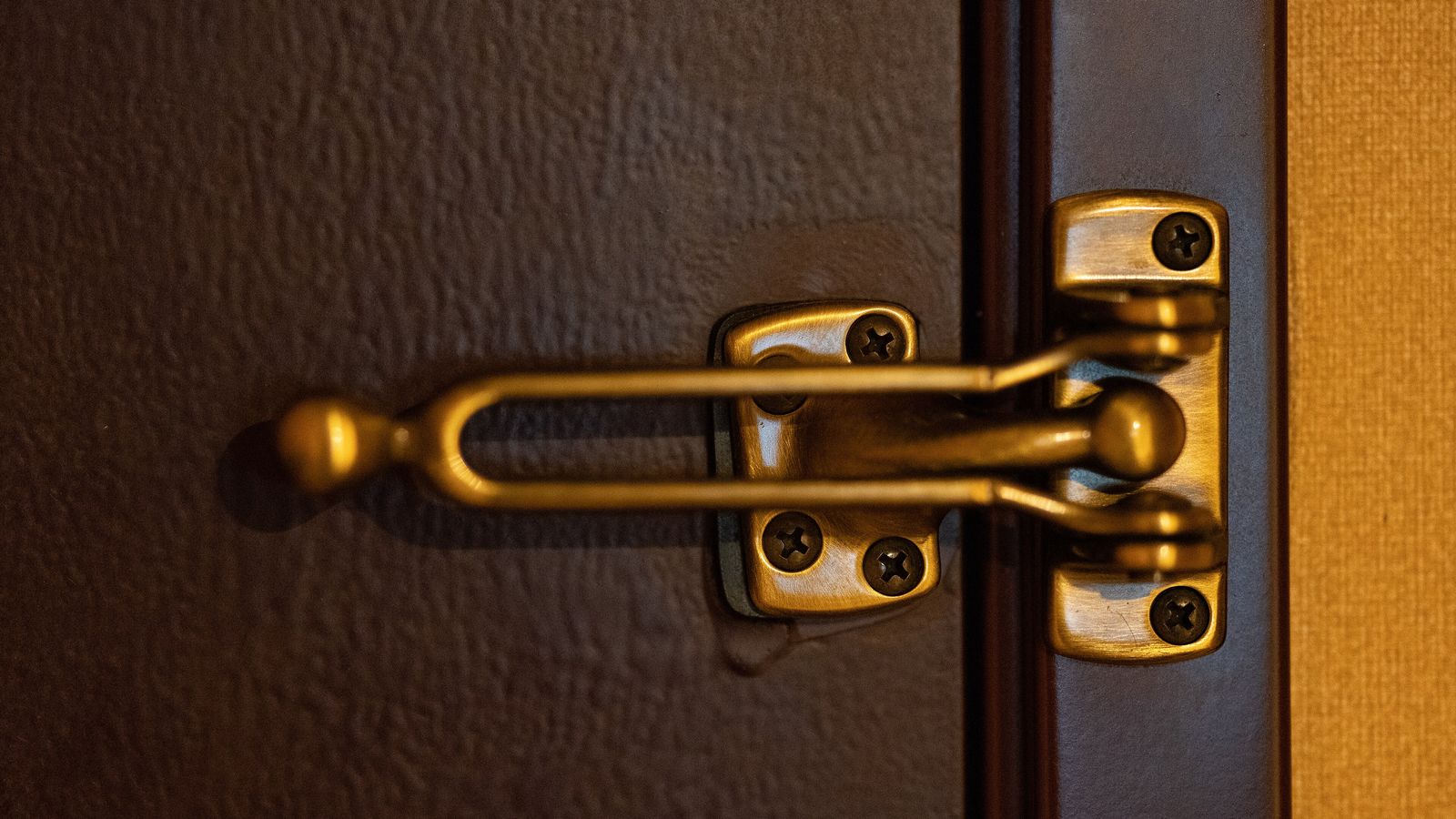
A basic security and defense add-on for a family of five. These costs are not part of the 30-day supply total above. Prices are current U.S. retail ranges (November 2026), because what you pay depends on the model and where you shop. Follow local laws, take a safety or training course, and store firearms securely.
| Item | Amount | Price | Shelf Life |
|---|---|---|---|
| Handgun | 1 (good to always have on you) | $400–$650 | Indefinite (maintain) |
| Shotgun | 1 (good for both defense and hunting) | $240–$400 | Indefinite (maintain) |
| Pepper spray | 3–5 canisters | $30–$60 | 2–4 yrs |
| Gun safe or lockbox | 1 (pistol lockbox or basic cabinet) | $45–$230 | Durable |
| Ammunition, starter supply | 100–200 rds 9mm + 25 rds 12‑ga | $45–$80 | 10+ yrs (cool/dry) |
| Cleaning kit | 1 universal kit | $20–$35 | Until expiry (fluids) |
| Door jammer bar | 1 | $20–$40 | Durable |
| Motion-sensor lights | 1 two-pack | $12–$36 | 3–5 yrs (battery) |
| Security & Defense estimate (not included in grand total) | $812–$1,531 |
Physical survival and medical manuals
If you don’t already have an offline digital library — something like a Solomon Drive, a preloaded or downloadable collection of survival and medical references that works without the internet — plus a way to power the device that runs it, keep a few physical manuals on the shelf. Paper works when the power doesn’t: no charge, no password, and no signal required. The five books below are popular, reputable references covering field medicine, dental emergencies, wilderness and urban survival, and long-term self-reliance. Prices are approximate Amazon.com paperback prices as of November 2026 and can change. These books are optional and are not part of the 30-day supply total of $3,817 above (about $123 at recent Amazon prices; the rounded figures below add to $122).
| Title | Price |
|---|---|
| Where There Is No Doctor: A Village Health Care Handbook (2nd ed., May 2025 revised printing) David Werner, with Carol Thuman and Jane Maxwell The WHO’s most widely used village medical handbook — a plain-language guide to identifying, treating, and preventing common illnesses when a doctor isn’t available. | $26 |
| The Survival Medicine Handbook: The Essential Guide for When Help is NOT on the Way (4th ed.) Joseph Alton, MD, and Amy Alton, APRN A roughly 700-page, U.S.-focused medical reference written for when hospitals and ambulances are gone for the foreseeable future. | $28 |
| Where There Is No Dentist Murray Dickson The companion to Where There Is No Doctor for toothache, infections, fillings, and extractions when you can’t get to a dentist. | $17 |
| SAS Survival Handbook, Third Edition: The Ultimate Guide to Surviving Anywhere John “Lofty” Wiseman The classic all-conditions survival manual, covering shelter, fire, food, first aid, navigation, and urban disasters. | $21 |
| The Encyclopedia of Country Living, 50th Anniversary Edition Carla Emery A 900-page homestead reference for growing and preserving food, raising animals, and other long-term self-reliance skills. | $30 |
| Reference manuals (optional, not included in grand total) | $122 |
Storage. Keep these in a dry, easy-to-reach spot with your first-aid supplies — not packed away in a box you would have to dig for in the dark. A simple zip bag or plastic bin protects them from moisture. Read the medical books before you need them, and pencil your family’s allergies, medications, and blood types on the inside cover.
Free download
Free to download — no strings attached. If it helps you out, a like or a share would be appreciated!
Keep reading
For more on building a plan, start here: Practical Prepping (asking the right questions), the Survival & Prepping library, and ready.gov.





Leave a Reply