

In our fast-paced world, time and energy have become precious commodities. Balancing these resources among friends and acquaintances can be tricky, especially when the dynamics of those relationships feel one-sided or draining. It’s crucial to evaluate how we invest in others and to ensure those investments are mutual, meaningful, and enriching, both for us and for those we care about most.
Recognizing the Energy Drains
We’ve all encountered that friend who, when you finally catch up, monopolizes the conversation with an endless monologue about their life. They barely pause to ask, “How are you?” or to show genuine interest in what’s going on in your world. These interactions often leave us feeling unseen, unheard, and exhausted. It’s not that their struggles or stories lack importance, but a friendship should feel like a shared space where both parties are equally valued.
If you consistently find yourself in relationships where you are the listener, supporter, and emotional laborer without reciprocity, it’s worth asking: Is this truly a friendship, or are you merely a convenient outlet for someone else’s needs? It’s okay to set boundaries with these individuals. Let them know you care, but that you also need space to recharge or time to focus on your own life. Healthy friendships thrive on mutual support, not unbalanced emotional transactions.
The Reciprocity Test
True friendship is a two-way street. It’s built on mutual respect, understanding, and shared experiences. If you notice a pattern where you’re always the one initiating plans, checking in, or providing emotional support, take a step back and evaluate. Are your efforts being reciprocated? Do they show up for you when it matters? Do they celebrate your wins or comfort you in your struggles? If the answer is often “no,” it might be time to reallocate your energy towards relationships that uplift you rather than drain you.
The Pretenders: When Actions Don’t Match Words
Then there are those friends who seem to exist only in the digital realm. They’ll text you occasionally or drop a comment on your social media, but when it comes to actually making time to see you or talk meaningfully, they’re always too busy. These interactions can feel hollow, a facade of friendship rather than the real thing. While life is busy for everyone, true friends make time for the people they care about, even if it’s just a quick phone call or a coffee date.
If you find yourself repeatedly reaching out to someone who never reciprocates with effort beyond the bare minimum, it’s worth questioning whether they value your friendship as much as you do. Friendships are meant to enrich your life, not leave you feeling like an afterthought. Don’t be afraid to step back from these relationships and focus on those who genuinely care and make time for you.
Understanding Adult Priorities
It’s also important to recognize that, especially as adults, your friends have priorities too. They might be dealing with demanding work schedules, financial challenges, raising children, or even health issues that limit their ability to be the kind of friend you might want them to be. Understanding and empathizing with these realities can help prevent unnecessary frustration or resentment. True friendship allows for grace and understanding during these periods, acknowledging that everyone’s capacity to give time and energy can fluctuate.
Checking In With Your Closest Connections
While it’s easy to spot the energy vampires in our lives, we must also look inward and assess how we treat our closest friends. Are you giving enough of your time and attention to the people who genuinely care about you? It’s easy to take these relationships for granted, assuming they’ll always be there, even if neglected. However, neglect can erode even the strongest bonds over time.
Ask yourself: When was the last time I truly checked in with my closest friends? Have I shown up for them the way they’ve shown up for me? Am I taking their presence and support for granted? These are tough questions, but they’re necessary to maintain meaningful and lasting friendships. Just as we need boundaries to protect our energy, we also need accountability to ensure we’re not inadvertently becoming the type of friend we’d resent in others.
The Art of Saying No
One of the hardest lessons in balancing friendships is learning to say no. We often feel obligated to maintain connections out of guilt, habit, or fear of conflict. But saying no doesn’t make you a bad friend—it makes you an honest one. You have the right to prioritize your mental health and well-being. Politely decline invitations or conversations that feel draining, and use that time to nurture relationships that bring joy, support, and positivity into your life.
Reassessing and Realigning
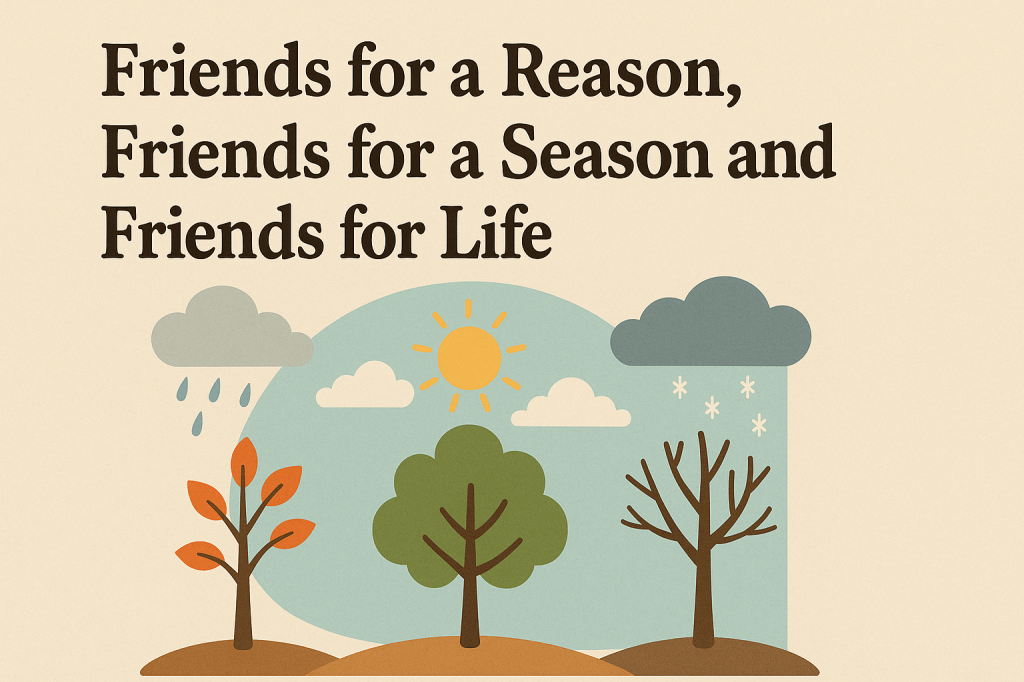
Not every friendship is meant to last forever. People grow and change, and sometimes, relationships that once felt indispensable no longer align with who we are or what we need. That’s okay. Reassessing friendships isn’t about cutting people off; it’s about ensuring that your energy is going toward connections that enrich your life.
Conversely, it’s vital to realign with the friends who matter most. Reach out, make time, and let them know they’re valued. A simple message or gesture can go a long way in maintaining those bonds. Relationships are like gardens—they flourish when tended to with care and intention.
Conclusion
Balancing your time and energy among friends requires a delicate mix of self-awareness, boundary-setting, and intentionality. Recognize the relationships that drain you, nurture the ones that sustain you, and always strive for reciprocity in your connections. Friendship is one of life’s greatest gifts, but like any gift, it’s best when shared equally and cherished deeply.





 Gary W. Phipps II
Leave a reply to thebethdayever Cancel reply