In a world that’s increasingly unpredictable with supply chain issues, extreme weather, and economic pressures, prepping often gets dismissed as extreme. Strip away the hype, and it’s simply about building practical self-reliance: having the right tools, clear plans, and a calm mindset to handle disruptions without losing your head. I’m no survival guru, just a guy who has thought this through as a husband, father of three, and someone who spends a lot of time on the road for work. The real advantage comes from asking yourself hard hypothetical questions. These mental walkthroughs train your brain to act decisively instead of freezing up when things get real.
Prepping done right is like quiet insurance that pays dividends even in normal times. It can strengthen family bonds through shared planning, teach kids valuable life skills, and even create small opportunities like bartering during shortages or turning hobby gardens into food security. Below I expand on the key questions worth wrestling with, pulling from my own experience and straightforward strategies. Each section includes bullet points with concrete examples of gear, actions, or considerations to make it easy to scan and adapt to your own situation. Focus on what fits your location, resources, and people. The aim is empowerment, not fear.

Starting with the Big Picture: What’s Your Most Likely Threat?
Begin by figuring out the emergency scenario you think is most likely to force you into survival mode. This keeps your efforts grounded instead of chasing every possible nightmare. People obsess over things like supervolcanoes or all-out nuclear exchanges, but more often it’s gradual breakdowns: extended power outages, runaway inflation making basics unaffordable, or civil unrest sparked by political or economic stress. For me it’s usually a combination of inflation, unrest, and external conflict, the kind of stuff already showing up in daily life.
Nailing this down guides your priorities. If floods top your list, emphasize waterproof storage and quick evacuation. If economic erosion worries you more, stock items that hold or increase in value during shortages. Research lightly with official hazard maps or reliable reports to sharpen your view. This step prevents wasted money on niche gear and helps you spot early signals others miss.
- Natural disasters: Earthquakes (secure heavy furniture with straps), hurricanes (tarps, rope, and waterproof bags), wildfires (N95 masks and fire-resistant blankets).
- Economic or social unrest: Hyperinflation (barter-friendly items like coffee, batteries, or hygiene products), supply shortages (extra rice, beans, and canned proteins).
- Man-made threats: Grid failures from cyber attacks (solar chargers and hand-crank radios), pandemics (masks, hand sanitizer, and basic quarantine setup).
Bug Out or Bug In? Deciding Your Base Strategy
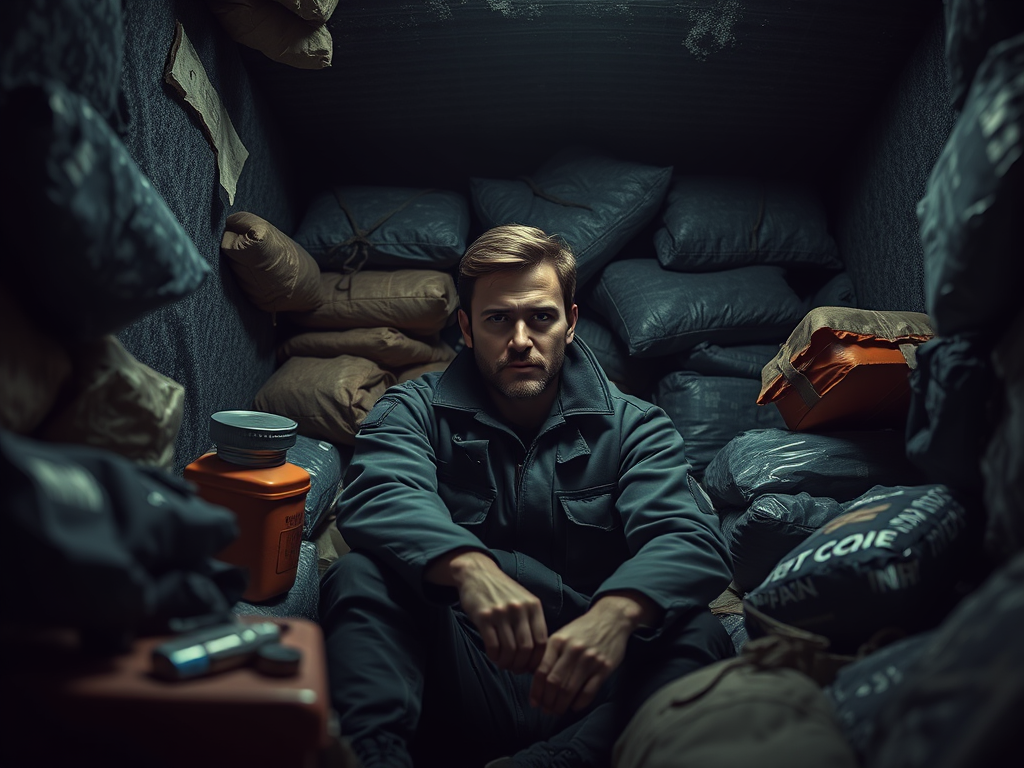
Decide whether you will bug out to a safer location or bug in and fortify where you are. Urban areas with dense populations might push you toward leaving if things turn chaotic, while rural spots with natural defenses often favor staying put. Consider your mobility, current supplies, and specific threats. Bugging in conserves energy when your home is defensible, but bugging out makes sense if staying becomes dangerous.
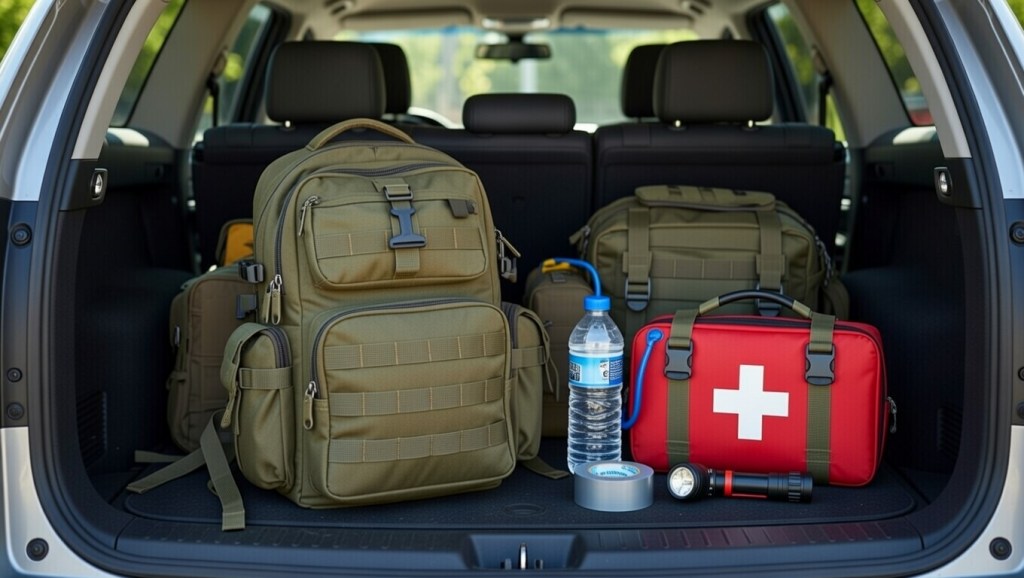
Define your trigger point clearly. Will you move when grocery shelves empty or only when violence reaches your street? Acting early avoids traffic jams and desperate crowds. I keep a get-home bag in my truck because travel takes me far from family. It covers 24 to 72 hours of walking or detouring if major infrastructure fails. At home we focus on bugging in with layered security and stocked essentials. Map alternate routes, test your gear in different seasons, and scout potential bug-out locations ahead of time. These steps can turn into fun family outings like weekend camping that double as training.
- Bug-in examples: Deadbolts and reinforced door frames, pantry stocked for three to six months with staples, rain barrels or large water containers.
- Bug-out triggers: Power outage exceeding 72 hours, reports of widespread looting, official evacuation orders.
- Gear for either: Multi-fuel stove that runs on wood or propane, portable solar panel for device charging, laminated paper maps avoiding major roads.
Building Your Team: Who, What, and How
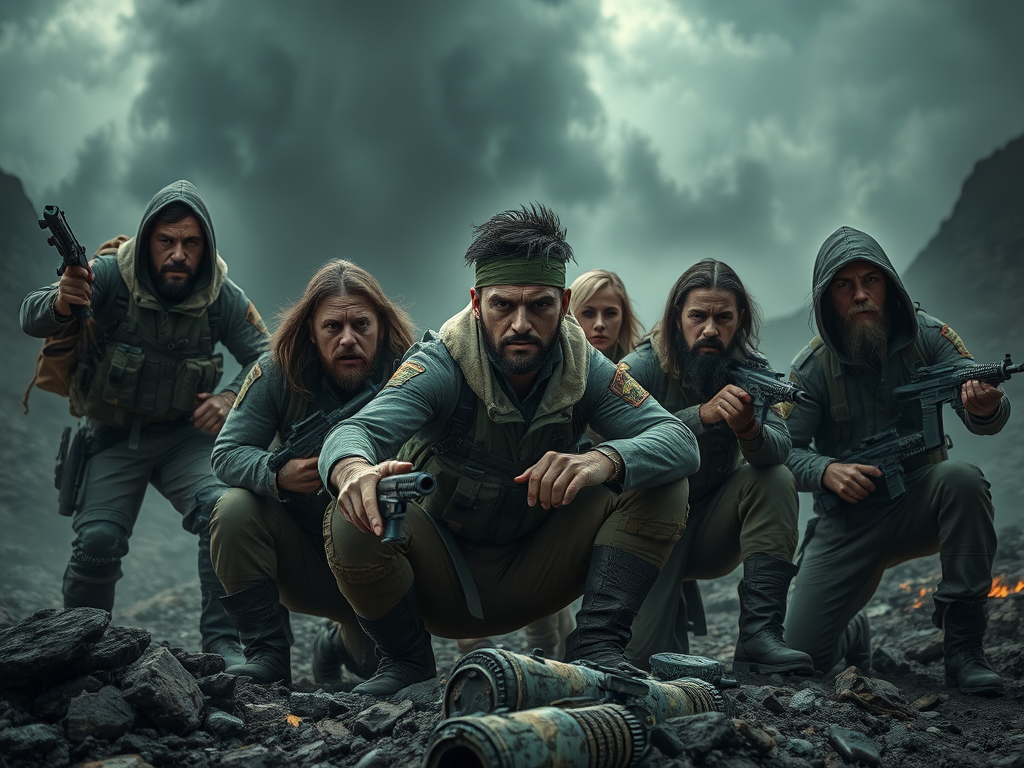
Who makes up your group? Start with immediate family like spouse, kids, and parents, then evaluate trusted friends if needed. Reliability matters more than numbers. A flaky person can sink the whole effort. Get everyone on the same page: Do their priorities align with yours? One person wanting to flee north while you’re committed south creates instant conflict. Sit down for an honest talk, maybe over a casual meal, to align plans.
Evaluate skills for balance. Who handles medical needs, vehicle repairs, or food production? Identify gaps and train to fill them. If your group includes infants or elderly members, adjust expectations for movement speed and care requirements. This process not only improves survival odds but deepens relationships. Kids learning basic tasks gain confidence that carries into everyday life. Larger groups can rotate duties to prevent burnout. Look for local skill-sharing opportunities to expand your network.
- Party members: Immediate family for built-in loyalty and emotional support, extended relatives for experience, reliable friends with useful trades.
- Skill examples: Nurse or EMT for wound care and medications, mechanic for fixing vehicles or generators, gardener for growing food, children for light scouting or errands.
- Special needs: Infants (extra formula, diapers, portable carriers), elderly (prescription meds, mobility aids like canes), pets (food supply, leashes, carriers).
Security: The Non-Negotiable
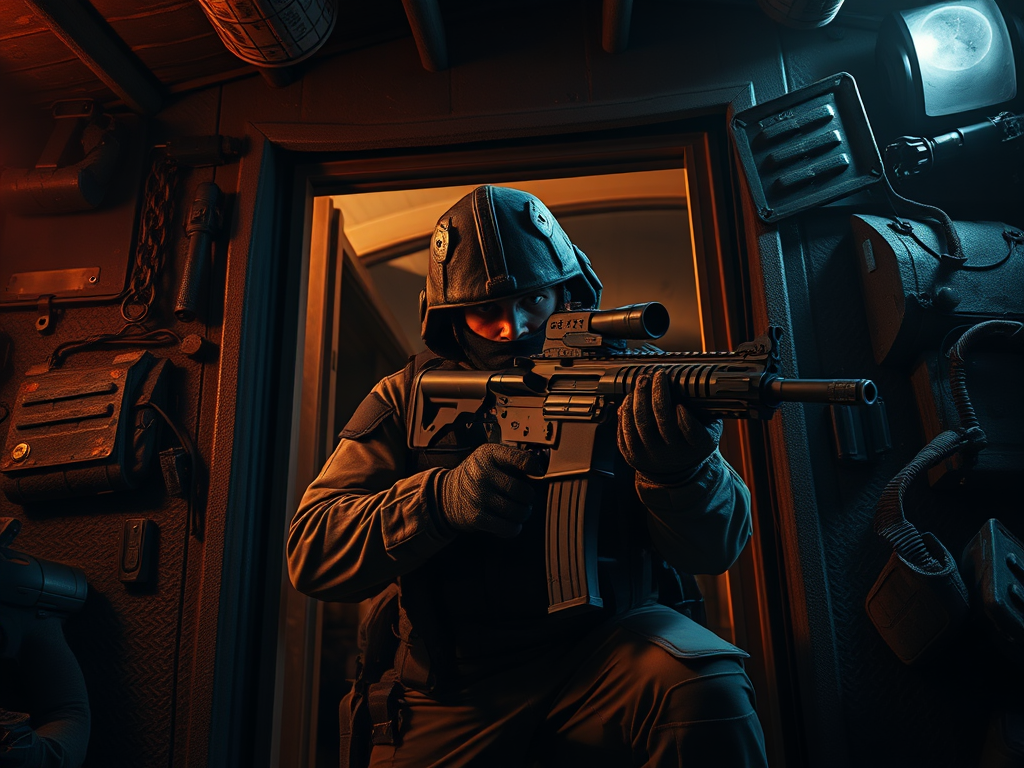
How will you protect yourself and your group? Without a ready-made arsenal, build layers of prevention, detection, and response. Threats differ by area: urban looting versus rural opportunists or wildlife. Firearms require training and safe storage if you choose them. Add motion lights, reinforced entry points, and low-profile habits to avoid drawing attention. My home setup includes ammo and protective gear, but the foundation is mindset and regular family drills on evasion and response.
Study your area’s crime patterns to inform choices. Fortify weak spots like windows and doors. Learn non-lethal options such as pepper spray or loud alarms. Good security habits translate to everyday peace of mind and can even lower insurance costs over time.
- Threat assessments: Dense populations (barricades and early-warning systems), isolated areas (wildlife deterrents and perimeter checks).
- Tools: Firearm with regular practice and secure storage, solar-powered motion lights and door sensors, deterrence like thorny plants or visible warning signs.
- Strategies: Daily perimeter walks, buddy system outside the home, handheld radios for group communication.
Health and Sustenance: The Daily Essentials
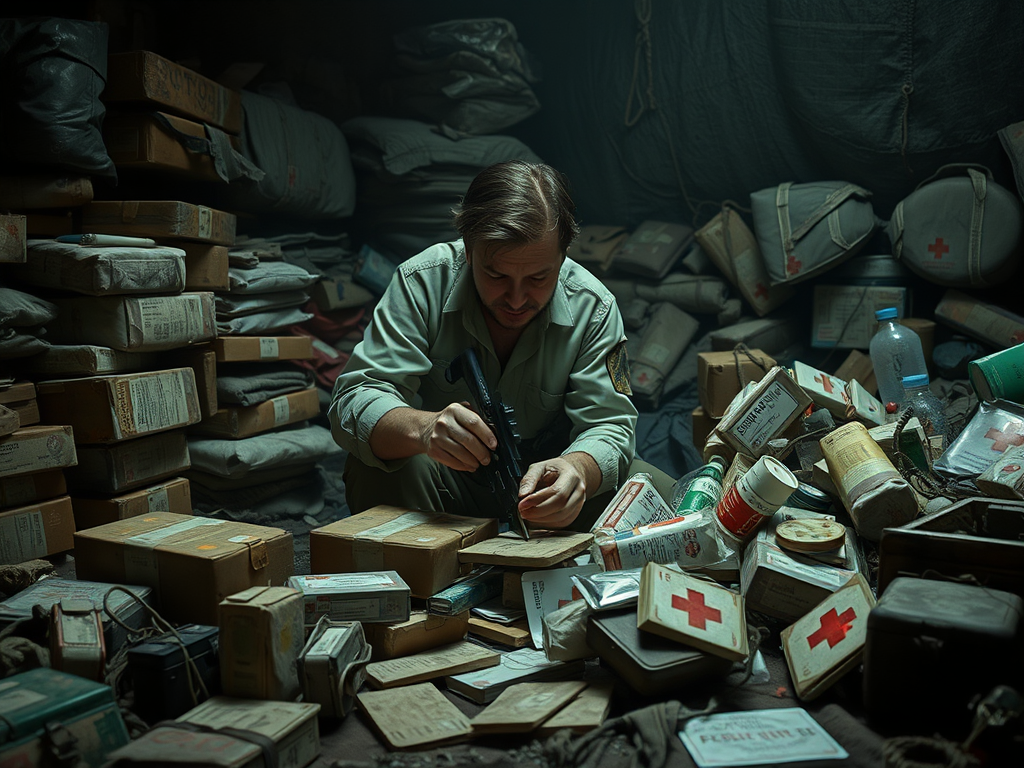
Prepare for medical needs without hospitals. Stock basics plus personalized items like ongoing prescriptions. Learn first aid through books, apps, or classes. Food and water must sustain your group size indefinitely in the worst case. Understand how hunger changes people to stay disciplined with rations. Diversify sources with foraging, gardening, and purification methods. Weather and local crime influence how you gather or store supplies. For bug-out travel, keep vehicles maintained with spare parts and fuel.
These preparations pay off immediately: Home food storage cuts grocery bills, water systems support outdoor activities, and first-aid knowledge handles minor injuries year-round.
- Medical supplies: Bandages, antibiotics, and antiseptics for injuries, EpiPens or insulin for specific conditions, herbal remedies for common ailments.
- Food and water: Ready-to-eat meals or energy bars for short term, bulk rice/beans and sprouting seeds for long term, portable water filters and purification tablets.
- Weather and climate: Insulated sleeping bags and clothing for cold, sun protection and insect repellent for heat, contingency plans to relocate during extremes.
- Vehicle maintenance: Spare tire and jack, extra fuel in approved cans, basic toolkit and jumper cables.
Basic List: Core Items for Nearly Any Scenario
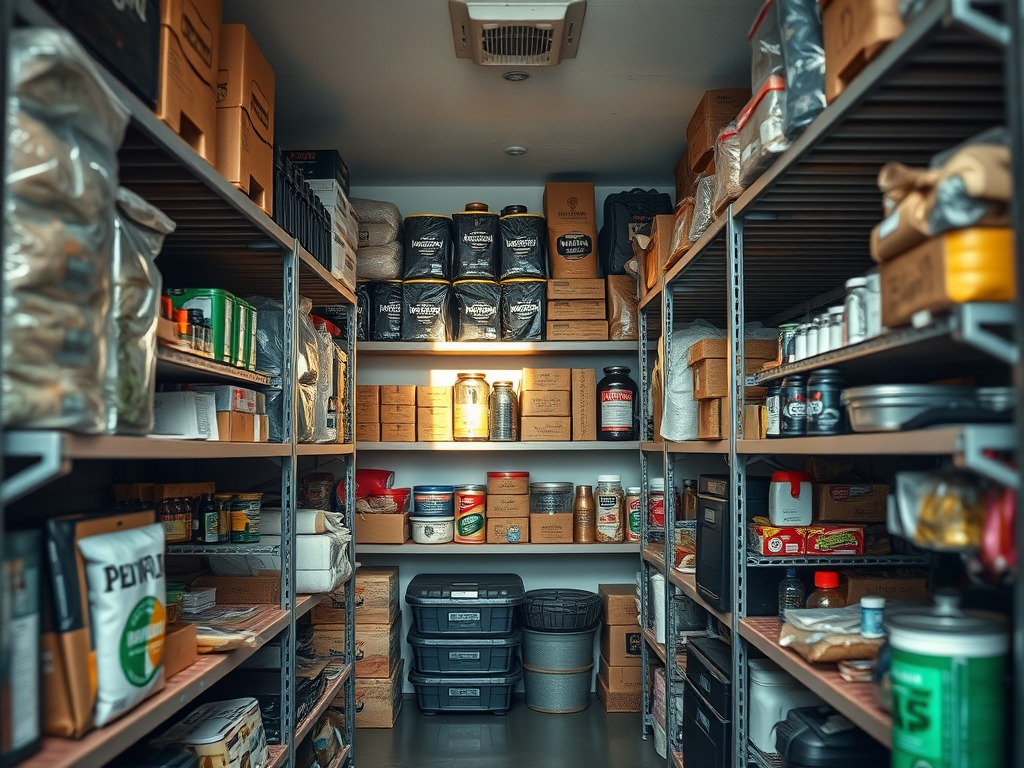
No matter what hits, power outage, storm, economic squeeze, or bigger trouble, there are a handful of items that cover the vast majority of situations. This is not an exhaustive “doomsday” loadout. It’s the practical minimum that gives you breathing room for days to weeks while you figure out the next step. Build this first, then layer on specifics based on your threats.
- Water: At least 1 gallon per person per day for 3-14 days (stored in food-grade containers), plus a reliable filter (such as Sawyer Mini or LifeStraw) and purification tablets as backup.
- Food: Non-perishable calories that need no cooking (energy bars, peanut butter, canned tuna/chicken, jerky), plus longer-term staples (rice, beans, oats) that store well and provide bulk nutrition.
- Shelter/Warmth: Emergency mylar blankets, wool or synthetic layers, lightweight tarp or poncho, duct tape for quick repairs or improvised shelter.
- First Aid: Comprehensive kit with trauma items (tourniquet, chest seal, quick-clot gauze), common meds (ibuprofen, antihistamine, anti-diarrheal), and any personal prescriptions for at least 30 days.
- Light and Power: Headlamp or flashlight with extra batteries, small solar charger or hand-crank radio/charger for phones and critical devices.
- Fire: Multiple ways to start fire (lighters, ferro rod, waterproof matches), plus tinder (cotton balls with petroleum jelly or dryer lint).
- Tools: Quality multi-tool or fixed-blade knife, duct tape, paracord (550 cord), work gloves, basic sewing kit for gear repair.
- Hygiene/Sanitation: Toilet paper, hand sanitizer, soap, feminine products, trash bags (for waste or water collection), bleach for disinfection.
- Communication and Navigation: Battery-powered or hand-crank radio, paper maps of your area and routes, notebook and pen for notes or messages.
- Cash and Barter: Small bills and silver or gold coins (ATMs and cards can fail), plus high-value barter items (cigarettes, coffee packets, small bottles of liquor, or ammo if you carry it).
Start with these in a grab-and-go bag or home storage. Test them occasionally so you know they work. This foundation handles 90 percent of realistic disruptions and gives you time to adapt to the rest.
Contingencies and Mindset: The Glue That Holds It Together

Always have a backup plan. Routes get blocked, gear fails, people change their minds. Prepare alternate paths, secondary supply caches, and meetup points. Saying no to outsiders is tough but often necessary to preserve resources. Weigh skills they bring against the strain they add. Authority figures may offer help or control; evaluate each situation based on facts, not promises. History shows blind compliance can backfire. Leadership needs structure, even in small families. Larger groups benefit from agreed-upon decision-making and clear roles.
Prepare for slow declines too. Crises rarely explode overnight. Inflation creeps, shortages build gradually. Watch for rising prices on essentials and act before panic sets in. Regular family reviews keep plans sharp and turn prepping into a positive habit.
- Backup ideas: Secondary location like a relative’s property, extra communication devices such as ham radio backups.
- Outsider decisions: Clear criteria for acceptance, pre-set signals or phrases to communicate refusal safely.
- Authority responses: Scenarios where cooperation makes sense versus self-reliant alternatives.
- Leadership structures: Simple family hierarchy for small groups, council or rotating roles for larger ones.
- Slow-burn signs: Steady price increases on food and fuel, widespread job instability, gradual stockpiling without drawing attention.
Wrapping It Up: From Thought to Action
Your prepping setup will look different from anyone else’s because your circumstances are unique. By working through these questions you gain a mental edge most people never develop. My approach stays versatile: a solid get-home bag, family-specific packs, and home stocks focused on common threats rather than exotic ones. Start small. Inventory what you already have, add one practical item each week, and talk openly with your people. This isn’t about living in fear. It’s about carrying quiet confidence no matter what comes. You’ve already taken the first step by thinking it through. Keep building.

 Gary W. Phipps II
Leave a comment