

Imagine striding into your office on a crisp Monday morning, briefcase in one hand, coffee in the other, and a sleek cape billowing dramatically behind you. Heads turn, whispers ensue, and suddenly you are not just another suit in the cubicle farm, you are a visionary, a trendsetter, perhaps even a superhero in disguise. Sounds absurd? Maybe, but hear me out. In a world obsessed with athleisure and smart casual, it is time to resurrect the cape, that forgotten garment of flair and function. Specifically for men, integrating capes into daily work life could revolutionize style and practicality, while women could embrace them for added elegance. Let us explore why capes deserve a comeback, blending history, humor, and realworld utility.
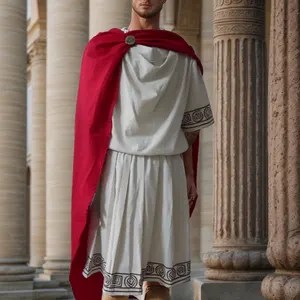
First, a quick jaunt through history to understand where capes came from and why they vanished, only to potentially rise again. Capes trace their roots back to ancient civilizations. The Romans draped themselves in togas and cloaks, precursors to the cape, for protection against the elements during conquests and daily life. In medieval Europe, knights wore capes over armor, not just for warmth but to display heraldic symbols, turning functionality into a fashion statement. By the Renaissance, capes had evolved into symbols of status, worn by nobility to signify wealth and power. Think of Shakespearean characters swirling in dramatic capes during soliloquies, adding theatricality to every entrance and exit.
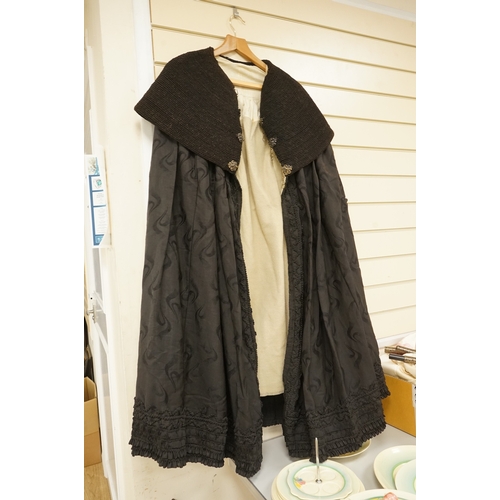
Fast forward to the 19th century, and capes became staples in military uniforms, providing soldiers with versatile outerwear that could shield from rain or serve as a makeshift bedroll. Even in civilian life, Victorian gentlemen sported opera capes for evening events, exuding sophistication. Women, too, adopted capes in forms like mantles and shawls, blending modesty with mobility. But then came the 20th century, with its streamlined suits and minimalist trends. Capes were sidelined, relegated to superheroes like Superman or villains in gothic tales. Why? Perhaps the rise of automobiles made flowing garments impractical, or modernism favored formfitting clothes. Yet, in our modernday chaos of climate change and hybrid work, capes could reclaim their throne, offering style that is both comical in its boldness and intriguing in its versatility.
Now, picture this for men in the daily grind of work life. You are a corporate warrior, battling spreadsheets and Zoom calls. A business cape, tailored from lightweight wool or tech fabric, could drape over your shoulders, attaching subtly to your shirt collar or blazer. No more fumbling with bulky coats in overheated offices, just unclip the cape and fold it neatly on your desk. Comically, it might evoke images of a CEO channeling Dracula at a board meeting, but intriguingly, it adds a layer of gravitas. During commutes, it acts as a windbreaker, shielding against gusts while you cycle or walk to the train. Caught in a sudden downpour? Your weatherproof cape repels water better than a flimsy umbrella, keeping your suit pristine.

But the real magic lies in its multifunctionality. Need an impromptu blanket during a chilly outdoor lunch break? Drape it over your lap. Working on your car in the parking lot after hours, diagnosing that mysterious rattle? Lay the cape on the ground to avoid grease stains on your pants, emerging spotless like a mechanic with panache. Heading to a company picnic? Spread it out as a clean surface for sitting, impressing colleagues with your preparedness. In a world where men are expected to juggle professionalism with practicality, the cape bridges the gap. It is not just clothing, it is a tool, a Swiss Army knife of fabric.

Of course, capes are not exclusively for men. Ladies could reinvent them in fashionforward ways, perhaps with flowing silk versions for evening wear or structured ones for office power dressing. Imagine a woman in a pencil skirt and blouse, accented by a cape that adds movement and mystery. It could serve similar practical purposes, like a quick coverup during erratic weather or a picnic blanket for family outings. The comical aspect? Picture a group of friends at brunch, capes fluttering like a flock of fashionable birds, turning heads and sparking conversations.
To make this revival feasible, we need tiers of capes for different settings, much like how we have jeans for casual days and tuxedos for galas. Start with the casual cape: think denim or cotton, rugged and relaxed, perfect for weekends. It pairs with jeans and sneakers, ideal for errands where you might need to shield from sun or use it as a ground cover while tinkering in the garage. For business settings, opt for a midlength cape in neutral tones like navy or gray, made from wrinkle resistant blends. It complements slacks and buttondowns, offering a subtle flair without overwhelming the professional vibe. Clip it on for client meetings, then detach for desk work.

For formal occasions, envision the grand cape: velvet or satin, longer and more dramatic, evoking old Hollywood glamour. Men could wear it over tuxedos at weddings, swirling elegantly during dances, while women integrate it into gowns for redcarpet worthy entrances. The humor here is undeniable, who would not chuckle at a groomsman cape twirling on the dance floor? Yet, it is intriguing because it revives a sense of occasion in an era of bland uniformity.
Skeptics might argue capes are impractical in tight spaces or windy cities, potentially leading to comedic mishaps like getting caught in elevator doors. Fair point, but modernday innovations could mitigate that. Magnetic clasps for easy removal, weighted hems to prevent excessive billowing, even builtin pockets for phones and wallets. Fashion houses like Gucci or emerging designers could lead the charge, marketing capes as the next musthave accessory. Celebrities donning them on social media would accelerate the trend, turning ridicule into envy.

Moreover, capes align with sustainable fashion. One versatile piece replaces multiple items, a coat, scarf, and blanket all in one, reducing consumption. In work life, they promote worklife balance by enabling seamless transitions from office to outdoor activities. Men, often stuck in rigid sartorial norms, gain a playful outlet for selfexpression. Women, already masters of layering, add another tool to their arsenal.
In conclusion, bringing back capes is not just a whimsical idea, it is a call to embrace boldness in an increasingly mundane world. From their ancient origins as protective gear to modernday applications in daily routines, capes offer style, utility, and a dash of humor. Whether you are a man suiting up for the boardroom or a woman gliding through a gala, a cape could be your secret weapon. So, let us ditch the predictability and cloak ourselves in possibility. Who knows, your next promotion might come with a cape attached. After all, in fashion as in life, sometimes you need to let your style fly.



 Gary W. Phipps II
Leave a comment