
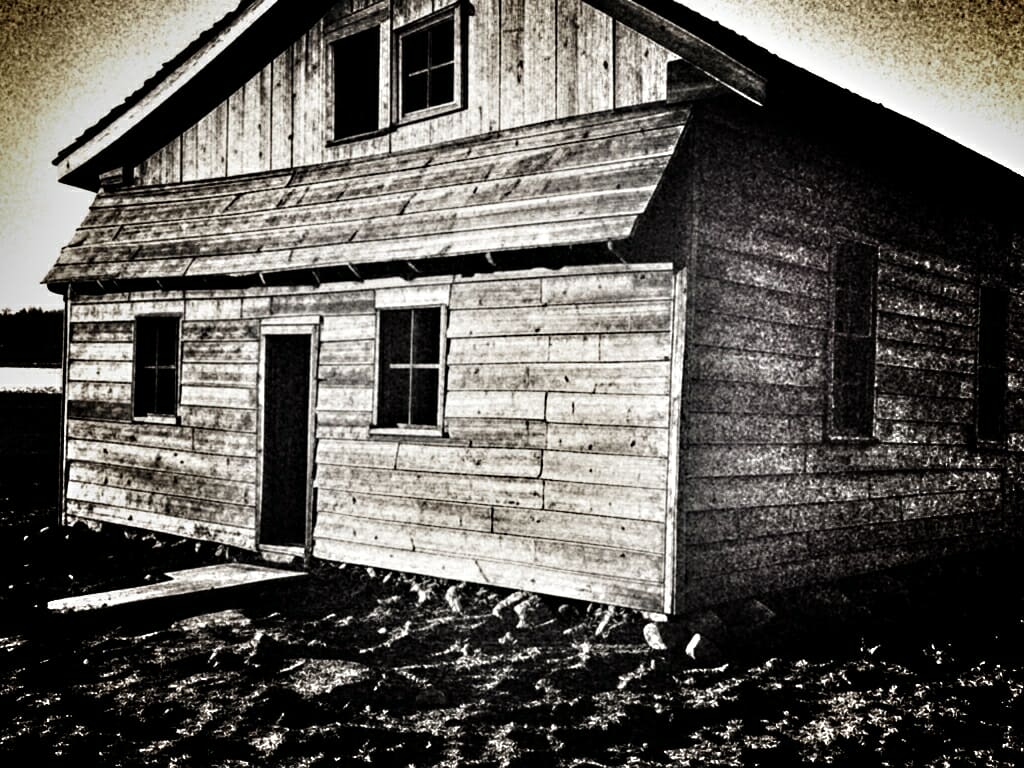
Back in 1842, a two-story tavern sat on a rough patch of land where the Piasa Masonic Lodge now stands, near State and 3rd Street, just a couple blocks from Alton’s riverfront. It wasn’t much to look at, a squat wooden building with a slanted roof and a few narrow windows that barely let in light. The place didn’t have a proper name, folks just called it “the tavern” or sometimes “Hale’s” after the man who ran it, Thomas Hale. He’d been there since at least 1836, serving cheap beer and watered-down whiskey to the dockworkers, steamboat crews, and traders who shuffled through town. The floors were packed dirt in spots, the walls stained from years of smoke and spilled drinks. Downstairs was a barroom with a couple of wobbly tables, upstairs held a handful of rented beds for men passing through. It smelled like sweat and wet wood most days, the kind of place you didn’t linger unless you had to.
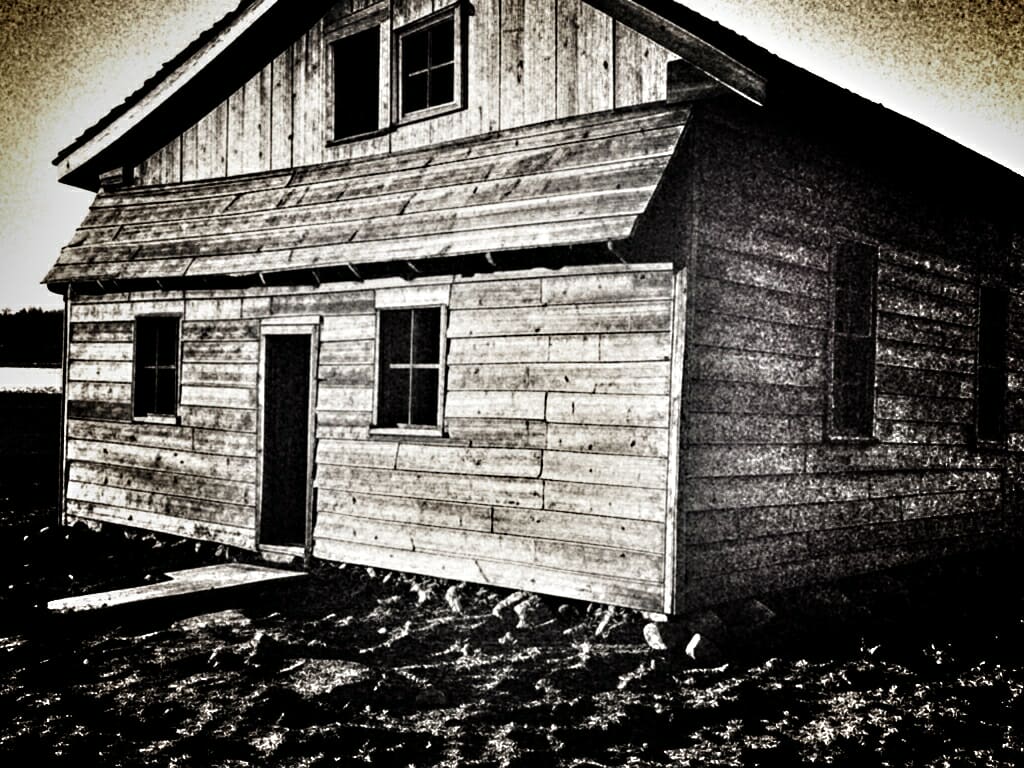
On December 9th of that year, a fire started late at night. It broke out in the back room, where Hale kept barrels of lamp oil, stacks of burlap sacks, and whatever else he’d bartered for that week. No one saw it begin, most of the men inside were asleep or too drunk to notice until the smoke got thick. By the time anyone stumbled outside, the whole place was up in flames. The heat was brutal, cracking the stone foundation and turning the timber frame to ash in under an hour. Twelve men died that night, eleven of them locals, laborers and rivermen known around the docks, their names half-remembered now, men like John Tully and the O’Keefe brothers. The twelfth was an outsider, some drifter no one could put a name to after the fact. People figured he’d come off a steamboat, maybe heading west, but his body was too burned to tell much.
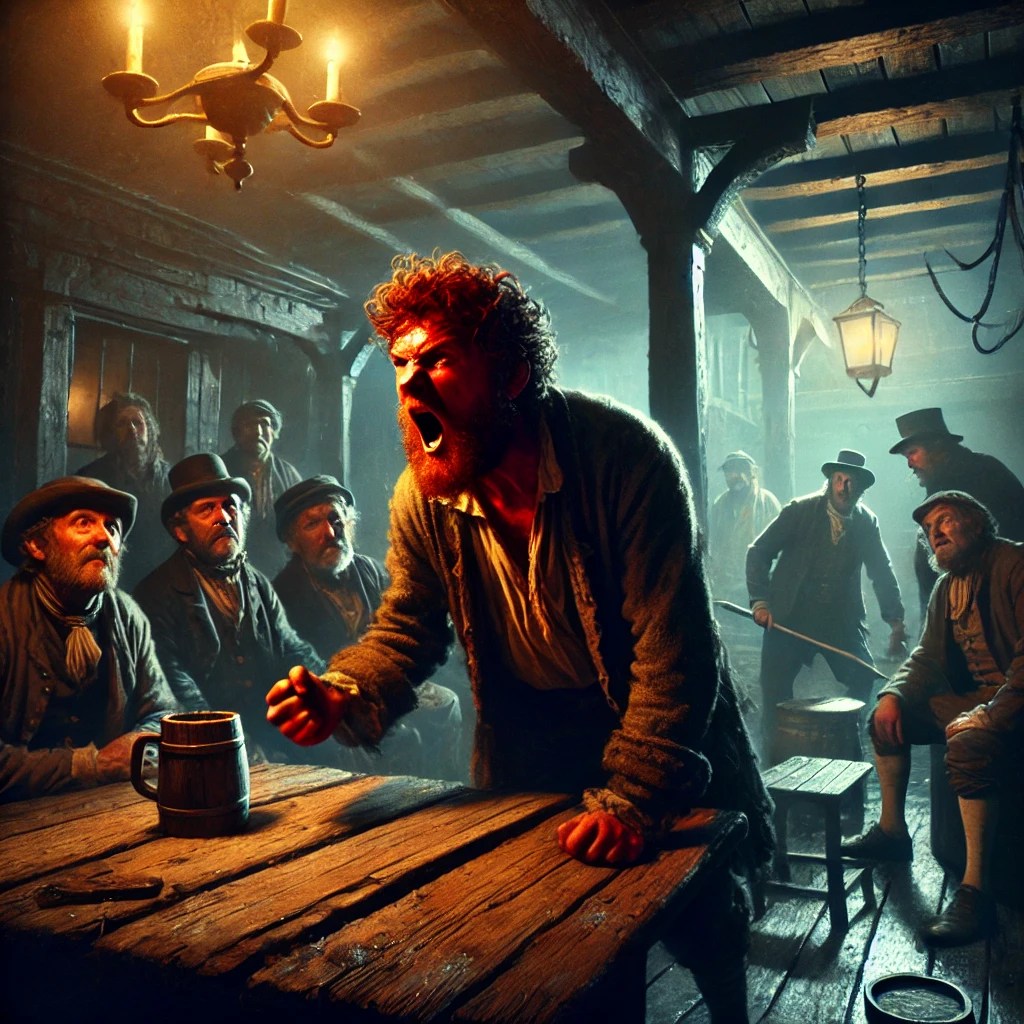
The next morning, all that was left was a smoldering pile of debris and a few charred beams sticking out of the ground. Thomas Hale stood there in the cold, coat pulled tight, telling anyone who’d listen that a lantern must’ve tipped over. It was a simple enough story, accidents like that happened all the time back then. But the way the fire moved didn’t sit right with some. It spread too fast, ate through the walls and roof like it had a mind of its own. A handful of dockworkers who’d been drinking there earlier that night said there’d been trouble, a loud argument between the outsider and a local card player named Eddie Voss. The stranger had been red-faced, slamming his fist on the table, yelling about a bad deal or money owed. Voss swore he’d left before anything got out of hand, and the outsider was gone by closing time. No one saw him after that, at least not alive.
Folks poked around for answers, but nothing came together. Alton didn’t have a steady newspaper in 1842, just a few handwritten broadsheets that came and went, and the county records from that year are a mess, pages missing or never filled out to begin with. Fires were common enough along the riverfront, wooden buildings and careless men made a bad mix, so a blaze that took one tavern didn’t stir much fuss beyond the families who lost someone. Hale didn’t have the cash to rebuild right away, and the lot sat empty for a while, weeds growing over the cracked stones. People walked past it without much thought, just another scar from a hard winter.
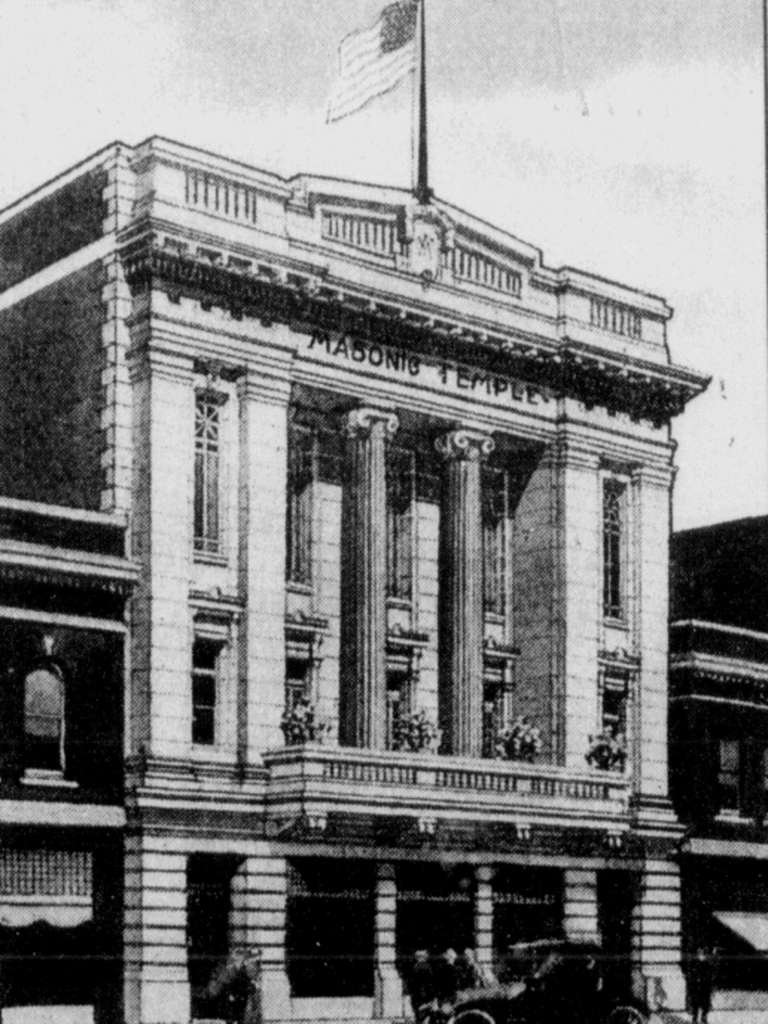
In 1846, the Piasa Masonic Lodge bought the land and started clearing it for their new building. The workers dug out the old foundation, hauled off what was left of the tavern’s bones. One of them, a young guy named Samuel Pratt, found something in the dirt, a pocketknife with a blade half-melted into its handle, the metal twisted like it’d been caught in a forge. Pratt kept it for a while, showed it around at the docks, but eventually tossed it in a drawer and forgot about it. Didn’t seem like much, just a relic from a bad night. The Lodge went up that year, a solid brick place that’s still there today, and life moved on.
But the story didn’t quite die. Over the decades, people who’ve lived or worked near State Street started saying things, nothing big, just odd little moments. Old rivermen sitting on their porches would mention smelling smoke on still nights, sharp and sudden, like someone had struck a match nearby. Others, walking home late from the bars, said they’d hear a creak or a thud, the sound of heavy boots on wood, even though they were on the sidewalk. A few claimed they’d seen a shadow move across a wall, too tall and thin to be a passerby, but it was always gone when they turned. No one’s ever made a fuss about it, never called it a ghost or wrote it up in the papers. It’s just the kind of thing you hear from the old-timers, the ones who’ve been in Alton long enough to know the town’s corners. They’ll lean in over a beer, lower their voice, and say the tavern fire left something behind, something that doesn’t show up in the daylight.
Thomas Hale moved on after a while, opened a smaller place closer to the river, died in the 1850s with no family to speak of. Eddie Voss stuck around town, worked the docks until his knees gave out, always said he didn’t know anything about that night. The outsider’s name never turned up, just another drifter lost to the Mississippi’s pull. The Lodge still stands, quiet and unremarkable, its brick walls holding no hint of what was there before. But if you ask the right people, the ones who don’t mind talking about the past, they’ll tell you that patch of ground near State and 3rd has a weight to it, a feeling you can’t shake once you’ve felt it.


 Gary W. Phipps II
Leave a comment