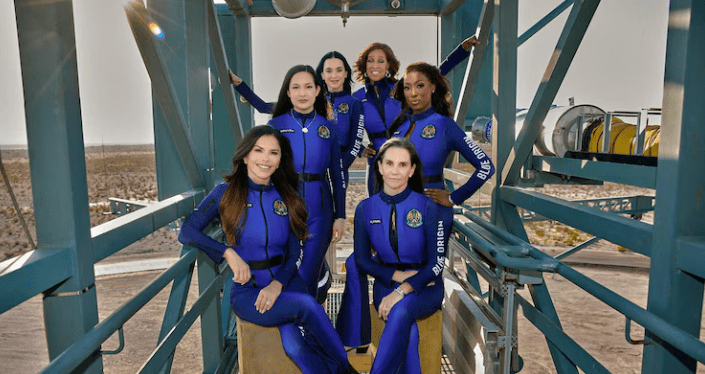
This morning, Blue Origin’s New Shepard rocket pierced the Texas sky, carrying a crew that reads like a guest list for a Hollywood gala: pop icon Katy Perry, journalist Gayle King, activist Amanda Nguyen, former NASA scientist Aisha Bowe, film producer Kerianne Flynn, and Lauren Sánchez, fiancée of Blue Origin’s founder, Jeff Bezos. Their mission? A brief jaunt past the Kármán line, the 100 kilometer boundary that technically anoints them “astronauts.” For 11 minutes, they floated in weightlessness, marveled at Earth’s curvature, and returned to a hero’s welcome. But when the Kardashians are snapping selfies at the launch site, it’s hard to call this anything but a media circus. This wasn’t exploration; it was a stunt, and it dilutes the sacrifices of those who’ve earned the astronaut title the hard way.
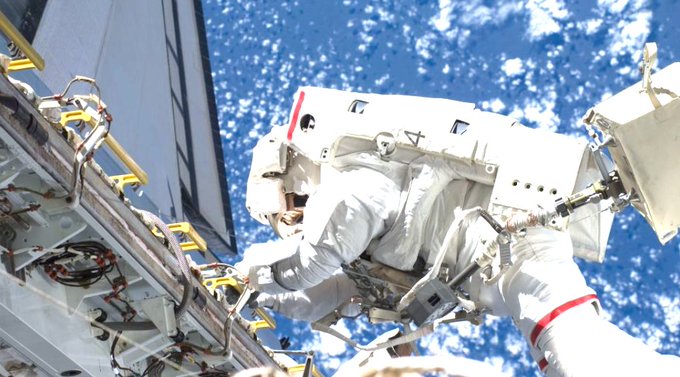
Real astronauts don’t just hop aboard for a joyride. They dedicate years to mastering spacecraft systems, enduring grueling simulations, and preparing their bodies for space’s unforgiving toll. Extended missions, like those on the International Space Station, can erode bone density by 1 to 2% per month, leaving astronauts vulnerable to fractures long after they return. Muscle atrophy sets in fast, forcing daily exercise regimens to keep limbs functional. Radiation exposure, unfiltered by Earth’s atmosphere, spikes cancer risks, a hazard crews accept for the sake of science. The NS-31 passengers? They spent two days in training, slipped into custom Monse flight suits, and let an automated capsule handle everything. No nausea, no long term health bets, just a quick thrill and a badge they didn’t earn.
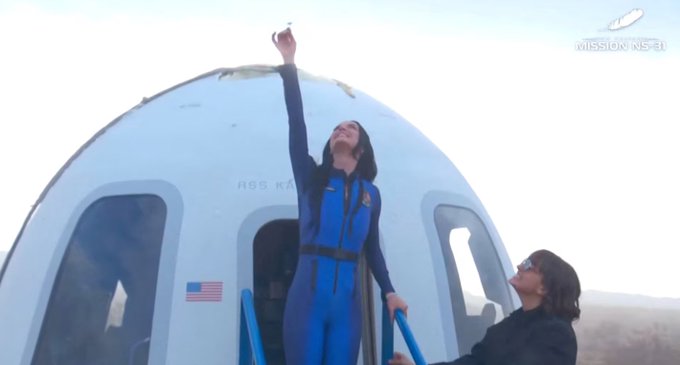
Compare this to William Shatner’s Blue Origin flight in 2021. At 90, the “Star Trek” legend crossed the same Kármán line, gazed at Earth’s fragile atmosphere, and spoke humbly of its beauty, not his own achievement. He didn’t claim to be an astronaut; he called it a gift. Today’s crew leaned harder into the spotlight. Katy Perry belting “What a Wonderful World” in zero gravity was a viral moment waiting to happen, not a scientific one. Gayle King’s candid fear? Relatable, but it underscores the gap, this was a curated experience, not a test of grit. Lauren Sánchez, who handpicked the crew, framed it as inspiration, yet the reported $150,000 ticket price screams exclusivity, not progress. When Oprah’s hyping the launch, it’s less about pushing boundaries and more about pushing headlines.
Make no mistake: this spectacle cheapens the astronaut’s craft. The term carries weight, Sally Ride, Neil Armstrong, Peggy Whitson didn’t risk their lives for photo ops. They built resumes of physics degrees, test pilot hours, and experiments that advanced humanity’s foothold in space. Blue Origin’s passengers, however accomplished in their fields, rode a rocket that’s essentially a high tech elevator. It’s a disservice to equate their trip with the likes of Christina Koch, who logged 328 days in orbit, or John Glenn, who orbited Earth when failure meant death. The public sees through it, too, most would agree “astronaut” should mean more than a rich person’s bucket list.
And yet, here’s where the story shifts: this glitzy farce is a stepping stone to something bigger. Blue Origin isn’t trying to rival NASA’s legacy or SpaceX’s bold quest to make humanity multi planetary. While SpaceX launches Starlink constellations, tests Starship for Mars, and ferries crews to the ISS, Jeff Bezos is carving a different path, one where space becomes a business, not just a dream. Today’s New Shepard flights, priced at $150,000 to $200,000 a seat, are a playground for the elite. Katy Perry and company aren’t outliers; they’re the first wave, following passengers like Michael Strahan and even Shatner, who’ve turned suborbital hops into status symbols. But markets don’t stay elite forever.
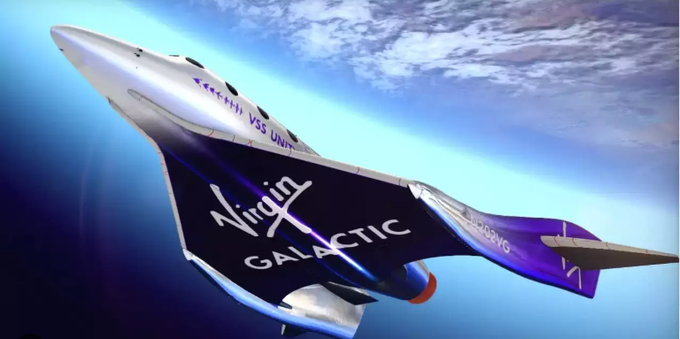
Look at aviation. A century ago, crossing the Atlantic was a luxury for tycoons, costing thousands in today’s dollars. Now, you can snag a budget flight for under $100. Space tourism, already pegged to reach $27 billion by 2032, is on the same arc. Every New Shepard launch, 43 and counting since 2015, hones reusable rocket tech, slashing costs. Blue Origin’s claim of water vapor as their rocket’s main exhaust sidesteps some environmental gripes, unlike the carbon heavy jets of old. Competition drives this further: SpaceX, Virgin Galactic, even upstarts like Rocket Lab are forcing prices down. What starts as a billionaire’s whim could, in a generation, be a middle class splurge, maybe not Mars, but a glimpse of the stars.
Blue Origin’s roadmap shows they’re not stopping at joyrides. Their New Glenn rocket, a heavy lift beast, is slated for orbital missions soon, squaring up against SpaceX’s Falcon 9. They’ve clinched a NASA contract for a lunar lander, targeting moon missions by 2030, a nod to their Blue Moon program that’s been simmering since 2019. Orbital Reef, their proposed commercial space station, aims to open by the early 2030s, hosting tourists, filmmakers, even microgravity labs. These aren’t pipe dreams, NASA’s backing and private investment signal real momentum. Unlike SpaceX’s focus on colonization, Blue Origin is building infrastructure: hotels, labs, maybe someday factories, all in orbit or beyond.
This is the pragmatic truth: space tourism, however silly it looks now, is inevitable. Space is the final frontier, and frontiers don’t open without commerce. The Age of Sail wasn’t just about explorers like Columbus; it was about trade routes, merchants, and yes, rich passengers seeking adventure. Blue Origin’s stunts are the early, awkward phase of that cycle. They’re not sending geologists to the moon yet, but they’re normalizing spaceflight, proving rockets can fly and land like clockwork. Each trip fuels innovation, cheaper engines, better automation, systems that don’t need a PhD to run. Readers might roll their eyes at celebrity astronauts, but they’d likely nod at the idea that space should be open to more than just governments and geniuses.
The epiphany isn’t that Blue Origin’s flight was noble, it wasn’t. It’s that this is how progress often starts: messy, unequal, even a bit absurd. SpaceX will keep pushing the science, eyeing Mars and beyond. Blue Origin? They’re betting on demand, on the human itch to explore, even if it begins with pop stars and influencers. Costs will drop, access will widen, and the tech will spill over, maybe to lunar bases, maybe to your grandkids’ gap year. For now, we get Katy Perry floating with a microphone and the Kardashians stealing the show. Love it or hate it, this is the path. Space isn’t just for heroes anymore, it’s for all of us, eventually.




 Gary W. Phipps II
Leave a comment