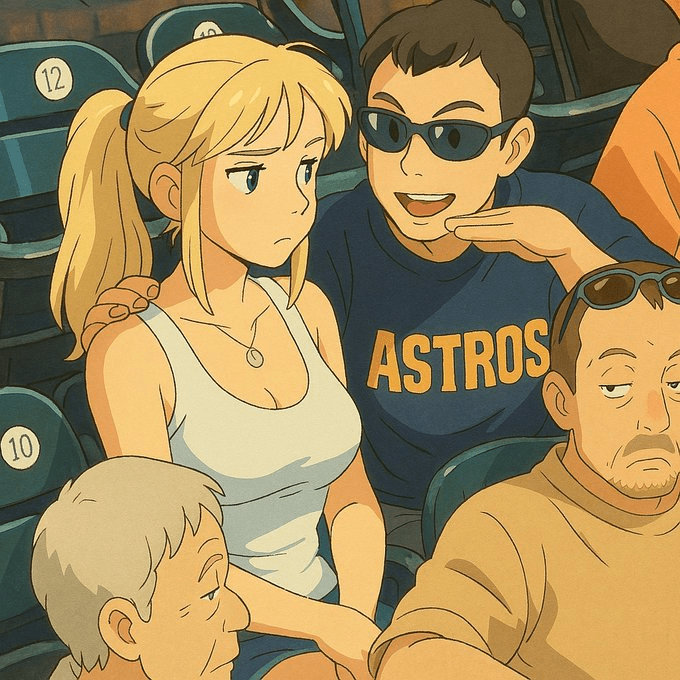
In the span of mere days, the internet has undergone a transformation so enchanting it could have been plucked straight from the imagination of Hayao Miyazaki himself. OpenAI’s latest update to its GPT-4o model, unveiled on March 25, 2025, introduced a native image generation feature that has sparked a cultural phenomenon: the Ghibli-style meme explosion. From historical photographs to viral snapshots of today, the soft, painterly aesthetic of Studio Ghibli, known for masterpieces like Spirited Away and My Neighbor Totoro, has swept across social media, turning the mundane and the monumental into scenes of whimsical anime wonder. What began as a technological novelty has quickly morphed into a digital contagion, raising questions about creativity, nostalgia, and the uneasy marriage of AI and art.

The trend took root almost instantly. Within hours of the feature’s rollout, users on platforms like X and Instagram began uploading everything from family photos to iconic historical images, prompting GPT-4o to reimagine them in the lush, hand-drawn style of Studio Ghibli. A grainy shot of “Tank Man” from the 1989 Tiananmen Square protests became a serene yet poignant anime standoff, complete with windswept hair and a pastel skyline. The infamous “Disaster Girl” meme, originally a photo of a child smirking as a house burns, transformed into a mischievous Ghibli character casting a spell in a forest glade. Even recent political moments, like Donald Trump’s tense meeting with Volodymyr Zelenskyy, have been recast as a dramatic encounter between two Ghibli-esque figures, framed by cherry blossoms and a golden sunset. The internet, it seems, has found a new toy, and it’s playing with it relentlessly.

This Ghibli-fication isn’t just a fleeting fad; it’s a testament to the power of nostalgia colliding with cutting-edge technology. Studio Ghibli’s aesthetic, marked by its dreamy landscapes, expressive characters, and a tender reverence for nature, has long held a special place in the hearts of fans worldwide. OpenAI’s new model, touted as its “most advanced image generator yet,” has tapped into that affection with uncanny precision, offering users a chance to see their world through Miyazaki’s lens. The result is a flood of content that feels both familiar and fantastical, blending the raw reality of historical and contemporary images with the soothing escapism of Ghibli’s universe. It’s as if the internet, weary from endless doomscrolling, has collectively decided to retreat into a gentler, more magical realm.

Yet, beneath the charm lies a tension that’s hard to ignore. The speed and scale of this trend, spanning personal snapshots to reimagined atrocities like the JFK assassination or 9/11, reveal both the promise and peril of AI-driven creativity. On one hand, it’s a democratizing force, allowing anyone with a ChatGPT subscription to become an instant artist, crafting visuals that rival the painstaking work of human animators. OpenAI CEO Sam Altman, who jokingly lamented waking up to “hundreds of messages” about his own Ghibli-fied “twink” portrait, has leaned into the craze, swapping his X profile picture for an AI-generated anime version of himself. The technology’s accessibility has unleashed a wave of ingenuity, with users gleefully “Ghiblifying” everything from Snoop Dogg to the Distracted Boyfriend meme.

On the other hand, this explosion has reignited debates about authenticity and appropriation. Hayao Miyazaki, Studio Ghibli’s co-founder, famously recoiled at AI-generated animation in 2016, calling it “an insult to life itself.” His visceral disgust stemmed from a belief that art should reflect human experience, not algorithmic imitation. Now, as GPT-4o churns out Ghibli-style images by the thousands, some fans and creators wonder: is this a tribute or a trespass? The model’s ability to mimic Ghibli’s style so convincingly suggests it was trained on vast swaths of copyrighted material, a practice that remains a legal gray area and a sore point for artists already battling AI’s encroachment. Over 400 Hollywood creatives, including Ben Stiller and Paul McCartney, recently petitioned against such uses, arguing that companies like OpenAI are eroding protections for human-made work.

The memes themselves add another layer of complexity. While turning a lighthearted moment, like a viral TikTok dance, into a Ghibli scene feels playful, applying the same treatment to tragedies can border on tastelessness. A Studio Ghibli version of the Twin Towers attack, complete with soft clouds and expressive faces, might strike some as a creative reimagining, but to others, it’s a jarring trivialization. The internet’s irreverent humor has always thrived on pushing boundaries, yet this trend tests the limits of what AI can, and should, touch. As one X user quipped, “Studio Ghibli was crazy for doing this,” alongside a controversial recreation, the line between art and insensitivity blurs.

Still, it’s hard to deny the sheer joy this phenomenon has sparked. For every questionable meme, there’s a heartwarming one: a family photo turned into a Ghibli picnic, a pet reimagined as a Totoro-like companion. The trend has even inspired brands like Zomato and Swiggy to jump in, transforming delivery workers and mangoes into Ghibli vignettes. It’s a rare moment when technology doesn’t just divide us but unites us in a shared, silly delight. OpenAI may have intended GPT-4o to showcase “precise, photorealistic outputs,” but the community hijacked it for something far more whimsical, and arguably more human.

As the Ghibli-style wave shows no signs of slowing, it’s worth pondering what it says about us. Are we seeking refuge in a prettier, more animated version of reality? Or are we simply flexing our newfound creative muscles, reveling in a tool that lets us reshape the past and present? Whatever the answer, the internet has been irrevocably Ghibli-fied, for better or worse. Miyazaki might not approve, but for now, his style is the unlikely muse of an AI-powered meme renaissance. Let’s just hope the next update doesn’t turn us all into cat buses.

 Gary W. Phipps II
Leave a comment