I was 19 when I enlisted in the Army in 2006, a cocky very conservative kid from a small town, raised on the raw energy of post-9/11 America. The towers fell when I was in high school, and by the time I was old enough to sign up, the message was loud and clear: terrorism was out there, and it was my job, our job, to hunt it down. Uncle Sam pointed the way, and I was ready to march, rifle in hand, against whoever he named the enemy. They threw around “freedom” like it was gospel, and I swallowed it whole, handing over my trust, my entire twenties, and any doubts I might’ve had without so much as a backward glance.
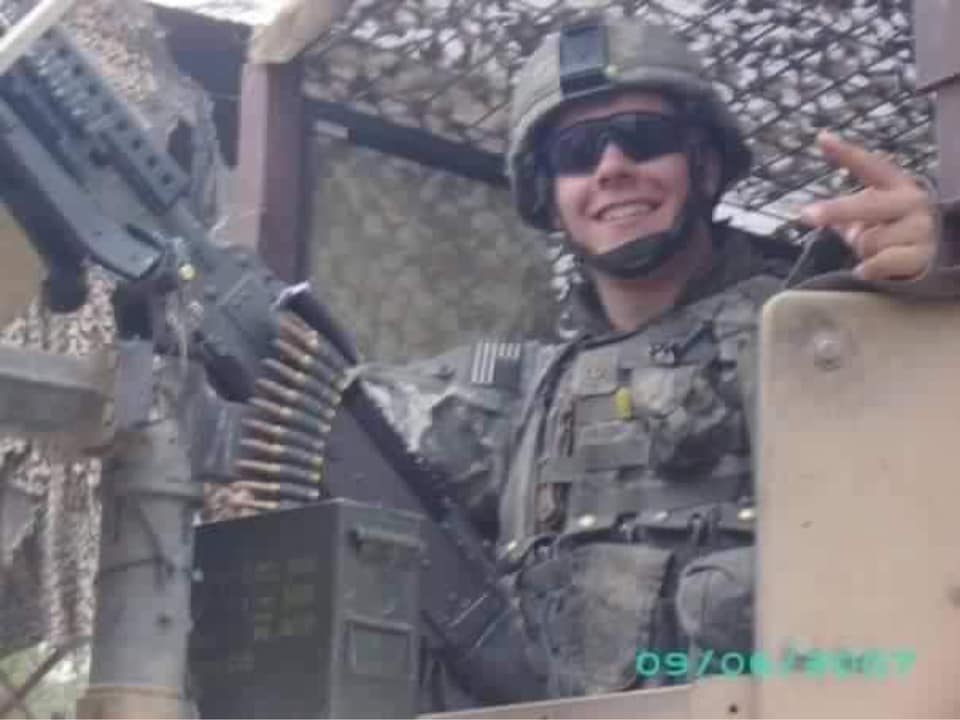
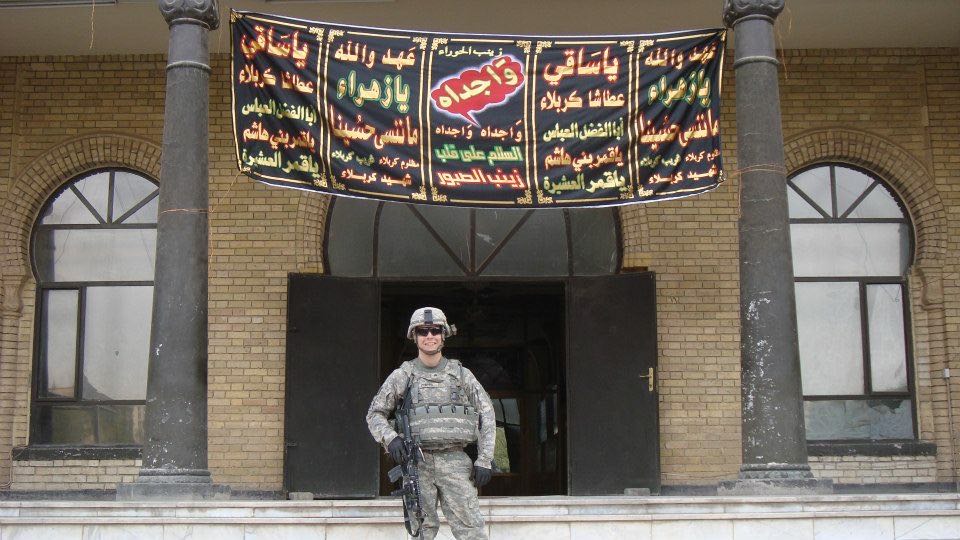
Basic training beat me into shape, turned me into a soldier. Airborne School followed, three weeks of jumps and drills that earned me my wings and a swagger I couldn’t hide. By the time I rolled into Fort Bragg, home of the 82nd Airborne, I was part of something bigger, the grinding gears of America’s war machine. My first deployment came fast, 2007, a 15-month slog in Iraq during Bush’s “Surge” for Operation Iraqi Freedom. The place was a furnace, sand in your boots, sweat in your eyes, and the kind of tension that never let up. We ran patrols, kicked in doors, watched our backs. The brass said we were winning, turning chaos into democracy, keeping the homeland safe. I bought it, had to, to keep going. My second tour hit in 2011 back in Iraq, nine months in Operation New Dawn. It was a different beast, less fire, more waiting, a war winding down but not quite done. I still did the job, still wore the uniform like it meant something.
I punched out in 2016, ten years in, and that’s when the ground shifted. Getting out wasn’t just leaving a job, it was stepping out of a bubble I hadn’t even known I was in. The military had been my world, orders, missions, camaraderie, and suddenly I was on the outside, a civilian with time to think. The real world didn’t match the script I’d been handed. It wasn’t good guys versus bad guys, us versus them. It was muddled, messy, and a lot less righteous than I’d thought. I started reading, digging into the news, finding others online like me and talking to people who saw things differently. No lightning-bolt moment turned me into sort of a Libertarian, just a slow drip of questions that eroded the blind faith I’d carried as a teenager.
What I ended up with was a heavy dose of skepticism, the kind you can’t shake once it sets in. I’d seen too much: friends who didn’t come back, Iraqi civilians caught in the wrong place at the wrong time, kids who’d never know their parents. And what was it all for? The deeper I looked at the Global War on Terror, the more it stank of politics, not principle. It was a game run by rich suits in Washington, politicians, most who’d never seen a battlefield, defense contractors raking in billions while we dodged IEDs. Iraq wasn’t about liberty, it was about oil, money, power, leverage, and a lies. Operation New Dawn? Just a rehashed logo on a mission that had lost its point years before I got there. We weren’t knights on a crusade, we were grunts in someone else’s chess match.
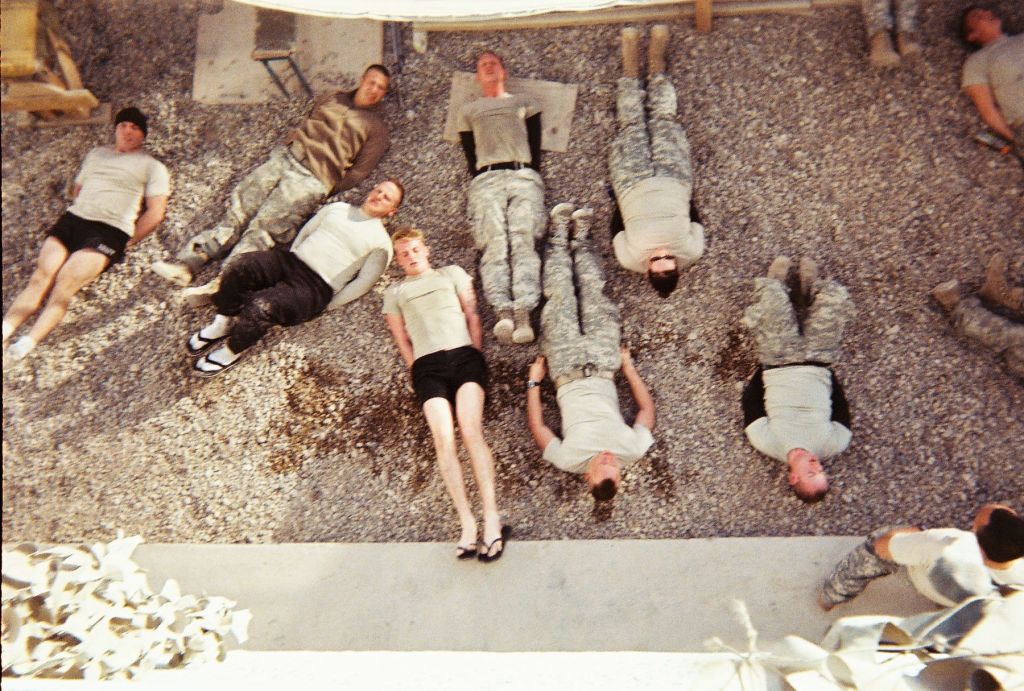
I still stand by the troops, though. Those men and women, my brothers and sisters, they’re the real deal. Tough as hell, loyal to a fault, willing to run into the fire when most would run the other way. I’d have their backs any day. But backing them doesn’t mean I have to cheer every half-baked war the government dreams up. It’s not disloyal to call bullshit on risking American lives, or ending foreign ones, for flimsy excuses that don’t hold water. Once you clock the gap between the soldier’s guts and the policymaker’s greed, it’s like a neon sign you can’t turn off.
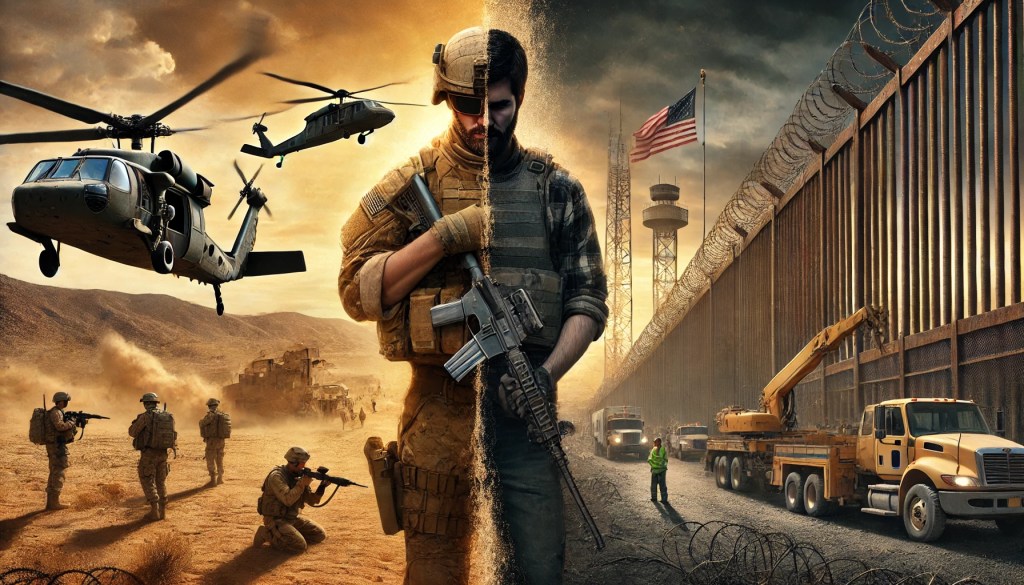
So what’s worth fighting for? If we’re asking people to put their lives on the line, it better damn well matter, and it better hit close to home. The military’s got skills, discipline, training, and the raw capability that could do serious work right here. Take the southern border with Mexico: illegal crossings piling up, drugs streaming in, cartels running the show just a stone’s throw from American soil. Fentanyl’s a killer, over 70,000 Americans dead in 2022 alone, more than we lost in two decades of Middle East wars. That’s not some far-off threat, that’s a crisis in our backyard. Why not put troops on it? Secure the line, choke off the trafficking routes, take the fight straight to the cartels. Not as invaders overseas, but as a shield right here.
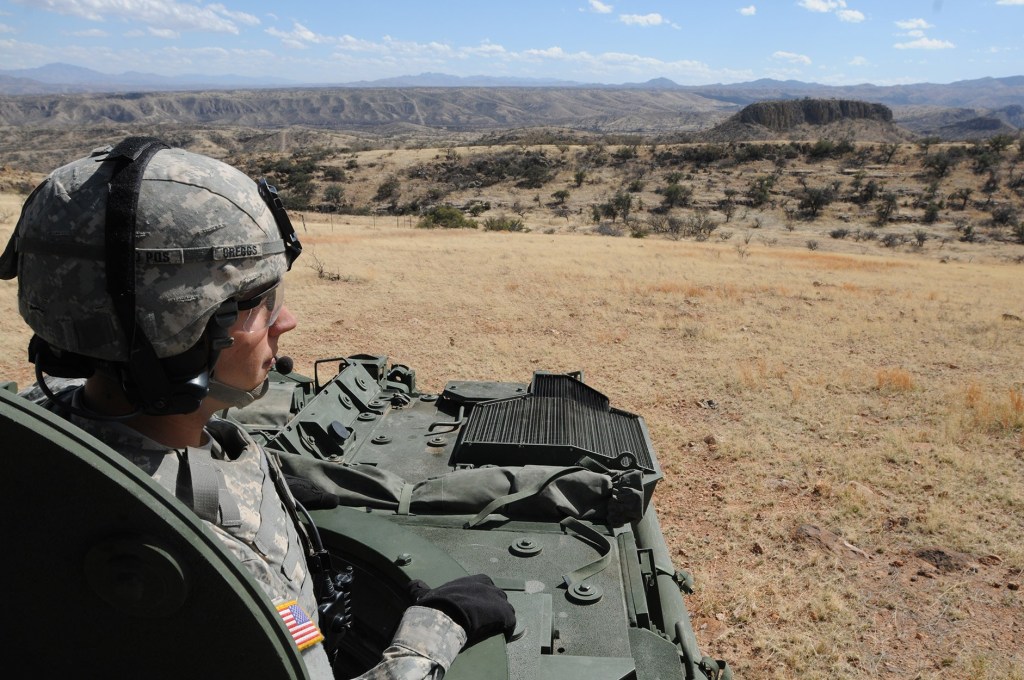
Think about it: carve out a piece of that $800 billion Pentagon budget, chump change in their world, and pivot from propping up bases in Germany or Japan to locking down our own turf. Engineers could throw up walls that actually work, drones could track every mule crossing the desert, special ops could dismantle the cartel networks piece by piece. The National Guard’s already busting their ass down there, stretched to the limit, bring in active-duty muscle to finish the job. And it’s not just the border. Hurricanes rip through the Gulf every year, why not have troops clearing roads, rebuilding towns, instead of twiddling thumbs stateside? Our bridges and highways are falling apart, send in the Army Corps of Engineers to fix what Congress won’t. Hell, set up programs to train vets for civilian gigs, use that military know-how to build something lasting. That’s not flashy nation-building halfway around the world, it’s practical, and it’s for us.
I’m not that wide-eyed kid from 2006 anymore, saluting every command like it came from on high. I’ve seen what happens when you trust without asking, and it’s not pretty. The Army gave me a spine, a sense of duty, a bond with people who’d die for each other, stuff I’ll never let go. But those things deserve a purpose that’s not just cannon fodder for someone else’s agenda. Bring the troops home, give them a job that matches what they’re made of, something that keeps Americans safe and strong, not just padding the wallets of the connected. Anything less is a slap in the face to what I used to think this whole thing was about.
 Gary W. Phipps II
Leave a comment